

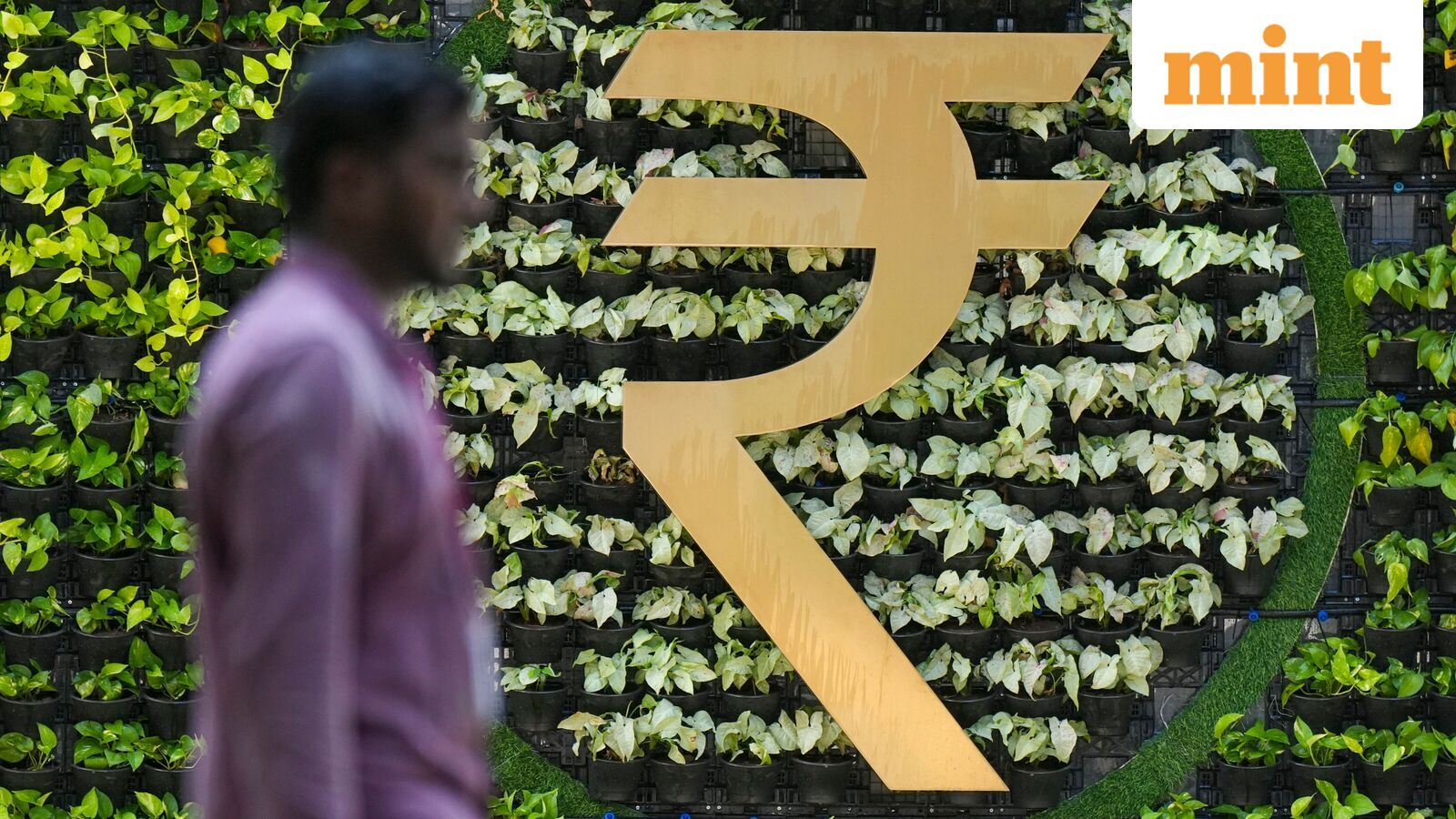
Speaking at the post-policy press conference on Friday, Malhotra said the consideration was still at a preliminary stage and the central bank was examining its pros and cons.
The proposal to introduce polymer currency notes in India is currently under consideration, Reserve Bank of India (RBI) Governor Sanjay Malhotra said on Friday.
Addressing the post-policy press conference, Malhotra stated that the proposal remains at a preliminary stage, with the central bank evaluating its potential benefits and challenges.
“The proposal to launch polymer currency notes is under consideration. We are examining the pros and cons and whether it would be worthwhile to implement. It is still at a preliminary stage,” Governor Malhotra said after the RBI monetary policy announcement.
The move comes nearly a decade after the RBI first explored the idea of introducing plastic currency notes, amid rising concerns over the durability and cost of paper currency. The higher printing costs associated with paper notes, along with increasing volumes of discarded currency, are believed to have renewed interest in polymer alternatives.
In February 2014, the government informed Parliament that one billion polymer ₹10 notes would be introduced on a trial basis across five cities selected for their geographical and climatic diversity — Kochi, Mysore, Jaipur, Shimla, and Bhubaneswar.
However, the initiative was later put on hold due to technological and operational challenges.
The RBI’s Monetary Policy Committee (MPC) on June 5 decided to keep the policy repo rate unchanged at 5.25% and maintain a ‘neutral’ stance. The MPC voted unanimously to hold the policy rates.
The central bank also lowered its GDP growth projections for the financial year 2026-27 (FY27) to 6.6% from 6.9% earlier. Meanwhile, RBI raised India’s CPI inflation projections for FY27 to 5.1% from 4.6% earlier.
RBI Governor also announced a series of measures to attract more dollar inflows into the country.

