
IRS Announces 7 Percent Interest Rate For Overpayments And Underpayments
Authored by Naveen Athrappully via The Epoch Times,
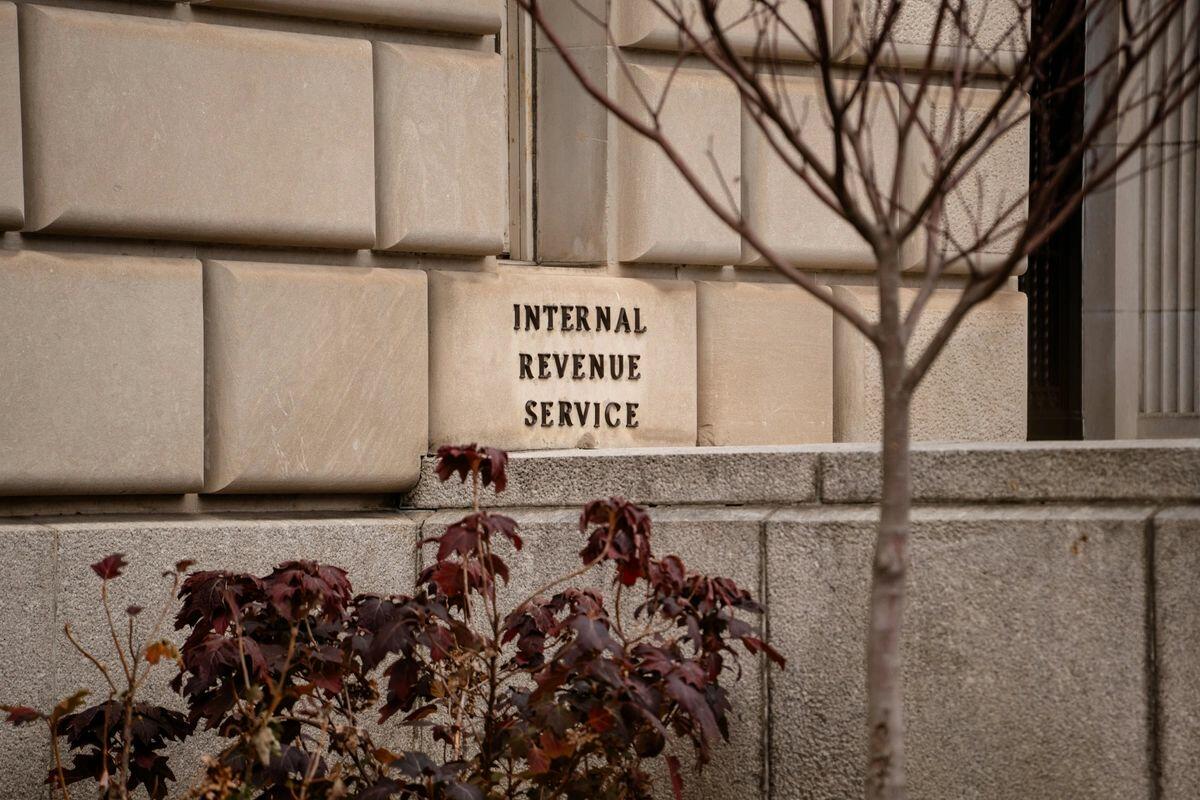
The Internal Revenue Service has announced interest rates for tax underpayments and overpayments for the fourth quarter of 2026, keeping them at 7 percent for individual taxpayers.
When taxpayers do not pay taxes, penalties, and other charges on time, the IRS charges interest on the underpayment. Conversely, when taxpayers pay more tax than they actually owe, the agency pays interest on the overpayment. Those rates are determined quarterly. The 7 percent rate for overpayments and underpayments takes effect Oct. 1, according to the IRS.
For corporations, the overpayment rate is 6 percent, while the rate on the portion of a corporate overpayment exceeding $10,000 is 4.5 percent. The underpayment rate is 7 percent, the same as for individual taxpayers, while large corporate underpayments carry a 9 percent rate. All of the rates are unchanged from the third quarter.
According to an April 26 IRS update cited by The Epoch Times, interest on underpayments begins accruing on the due date of the amount owed and continues until the balance is paid in full.
Interest on overpayments is calculated based on factors including the tax filing due date, payment dates, and when the IRS receives a return in a format it can process.
Taxpayers can file claims if they believe the amount of overpayment interest they received was insufficient.
The rates were announced based on the federal short-term rate for July, which was determined to be 4 percent.
For taxpayers other than corporations, the overpayment and underpayment rates are calculated by adding 3 percentage points to the federal short-term rate.
For corporations, the underpayment rate is the federal short-term rate plus 3 percentage points. The corporate overpayment rate adds 2 percentage points, except for the portion of an overpayment exceeding $10,000, for which only 0.5 percentage point is added.
Penalty Relief
The IRS has also introduced a new automatic penalty relief process for taxpayers, known as the Automatic Exemption from Penalty, or AEP.
The program is available to eligible taxpayers who filed and paid their taxes on time during the previous three years, or during 12 consecutive quarters for quarterly filers. Those who qualify automatically receive relief from common penalties including failure to file, failure to pay, and failure to deposit.
When the IRS applies AEP to an eligible tax return, the taxpayer receives a notice confirming that the relief was granted.
Taxpayers who do not qualify for AEP can still seek penalty relief on the basis of reasonable cause, which the agency considers case by case.
In a July 8 statement, the IRS said it would begin phasing out the long-standing First Time Abate, or FTA, relief system in favor of AEP during the summer. Under FTA, taxpayers had to contact the agency before the IRS reviewed their account to determine whether they qualified. AEP makes that process automatic for eligible taxpayers.
During the transition, some taxpayers who qualify for AEP may still receive penalty notices involving 2025 or 2026 returns. In those cases, the IRS says taxpayers can contact the agency and request FTA relief.
IRS CEO Frank J. Bisignano said the automatic exemption reflects the agency’s effort to make payment of taxes owed simpler and more consistent.
He added that taxpayers with a history of paying on time should not have to formally request relief that would routinely be granted.
Tyler Durden
Sat, 08/22/2026 – 18:40