
“Prepare For More Severe Scenarios”: Bank Of England Chief Warns Of AI Threat To Global Financial System
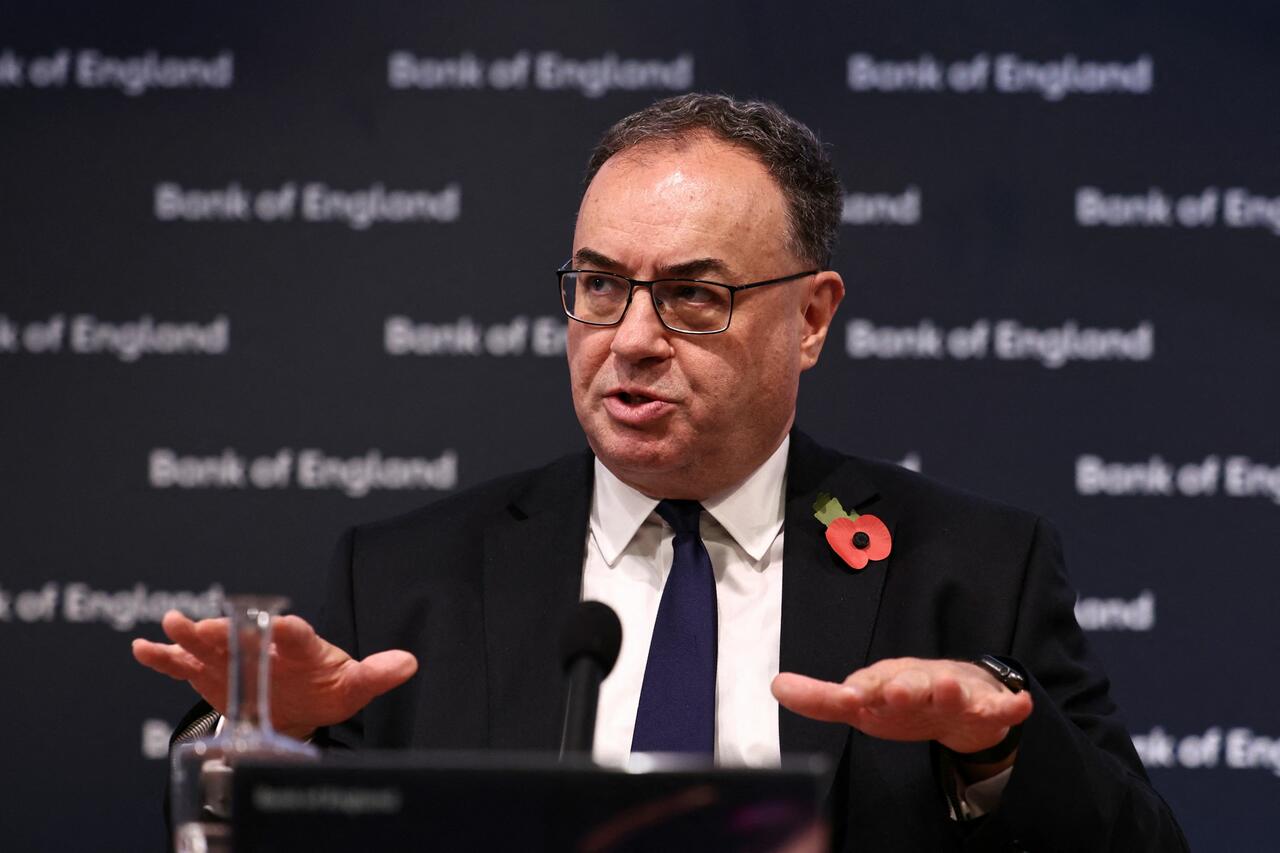
As the world marches towards open-weight, efficient, unrestricted frontier AI models out of China, Western leaders are starting to panic over the lack of guardrails. Most recently, Bank of England Governor Andrew Bailey suggested that the threat posed by AI could lead to a chaotic correction in global financial markets, as frontier models are now showing “increasingly sophisticated autonomy and problem-solving abilities, as well as threat capabilities.”
“Financial institutions, financial market infrastructures, and technology providers will therefore need to strengthen vulnerability management, response and recovery capabilities, and prepare for more severe scenarios involving simultaneous disruption across multiple firms or shared technology dependencies,” Bailey wrote in a two-page letter published Monday to G20 finance ministers and central bank governors in his capacity as chair of the Financial Stability Board – an international body that coordinates international policy and provides recommendations to national authorities.
Bailey says the cyber risk posed by AI is “the most immediate concern” for the global financial system.
“Frontier AI may have the ability materially to alter the speed, scale and economics of cyber risk, which could undermine market confidence system-wide, especially due to highly concentrated third-party service providers,” he wrote, adding. “Recent developments have also highlighted to me that many jurisdictions do not have the protocols in place to manage the development, release, and deployment of advanced frontier AI models, heightening risks for the financial sector and beyond.”
Bailey’s warning comes one month after the Bank for International Settlements warned that the AI bubble itself is one of three of the most alarming threats to global prosperity at this time.
“Disappointment in returns could trigger a sudden pullback in financing and turn the capex boom into a protracted investment bust, with potential knock-on effects on financial conditions,” the BIS said, before observing that “a major equity-market correction could have larger macroeconomic consequences today than in the past.”
Officials highlighted vulnerabilities linked to funding, including complex arrangements such so-called “circular financing” deals that can mix equity and debt with supplier-client contracts (as discussed here “The $1.8 Trillion Off-Balance Sheet Time Bomb At The Heart Of The AI Supercycle“).
Tyler Durden
Mon, 08/31/2026 – 14:15