

Is Geothermal Energy The Next Hidden AI Power Trade
Submitted by QTR’s Fringe Finance
Before I get into today’s idea, let me remind readers that I believe there is a very real chance that the AI boom could be coming to an end later this year and into early next year.
I detailed my thoughts on why the AI boom could end in an article called “The Real AI Crash Will Start This Year” that I published two weeks ago. I supplemented this piece with another article last week called “8 Sharp Bear Cases You Must Read Today”, which explores almost all of the possible reasons I can think of to be bearish on the stock market today.
I suggest reading both of these pieces carefully and keeping in mind that today’s article is a very first look into a sector that may or may not ever catch on in the US and will likely be highly dependent on AI’s continued expansion as a catalyst to flourish.
Having said that, if you’re still bullish on the AI build out and the market at this point, there’s an emerging theme that may be under-noticed and worth a look.
The theme is geothermal energy, and specifically the possibility that next-generation geothermal becomes part of the solution to America’s rapidly growing AI power needs. AI power needs drove my nuclear thesis last year as nuclear stocks outperformed the market in 2025 and helped my 25 Stocks I’m Watching For 2025 beat the S&P by more than +50%.
And while I am still bullish on nuclear, as I wrote about at the beginning of this year, geothermal energy is now on my radar as well…not to replace nuclear, but to supplement it potentially. And more importantly, as a potential “story” theme heading into next year.
This thesis is still very early and speculative, and there is a very real chance it never develops into anything meaningful. I’m not screaming to go out and buy anything right now. But there are enough pieces starting to come together that I think it’s worth understanding the theme now and keeping an eye on it.
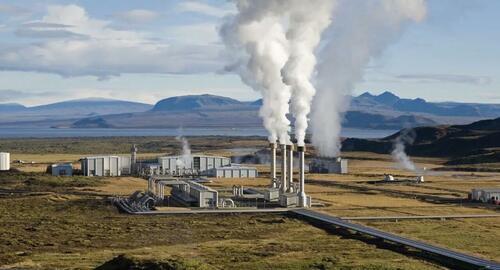
First, a little background. Geothermal is essentially power generated using heat stored beneath the Earth’s surface. In a conventional geothermal plant, developers drill into naturally occurring underground reservoirs of hot water or steam and use that heat to generate electricity. The technology itself isn’t new. The U.S. has been producing geothermal electricity for decades and has several gigawatts of generating capacity today, but despite that history, geothermal still represents less than 1% of U.S. electricity generation.
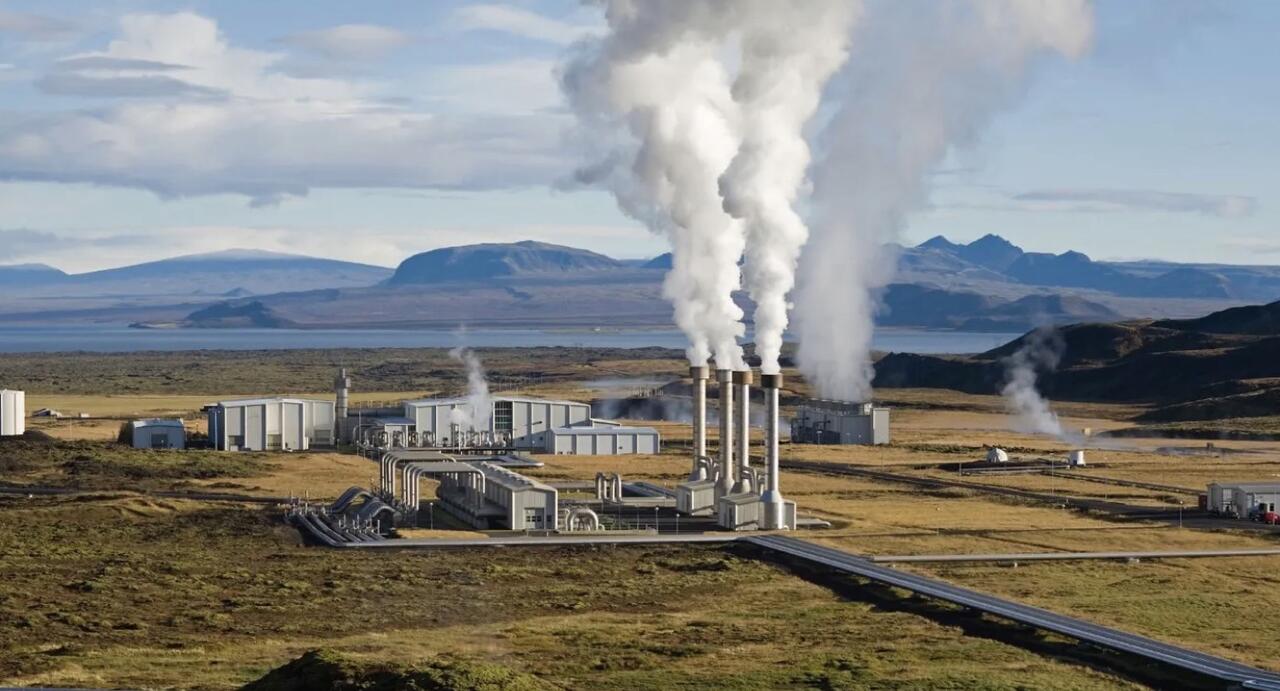
The biggest problem has always been geography. Traditional geothermal works best in places where you happen to have the right combination of underground heat, water and permeable rock relatively close together. That has historically restricted development to certain parts of the western U.S. and other geologically favorable areas around the world.
What has changed is the emergence of enhanced geothermal systems, or EGS. Rather than waiting for nature to provide the perfect underground reservoir, EGS attempts to engineer one. Developers drill deep into hot rock and use techniques borrowed heavily from the oil and gas industry, including horizontal drilling and hydraulic stimulation, to create pathways through which water can circulate, absorb heat and return to the surface. Think of it, very roughly, as applying some of the technologies that transformed U.S. shale production to geothermal energy.
None of this is easy. Drilling several kilometers underground is expensive, the geology can be unpredictable, and developers have to prove these reservoirs can maintain sufficient temperatures and flow rates for years. There are also questions around water loss, drilling costs, induced seismic activity and whether the economics ultimately work at commercial scale. It is entirely possible that some of these problems prove harder or more expensive to solve than proponents currently expect.
But if they can be solved, the potential is significant because enhanced geothermal could remove one of the biggest historical limitations on geothermal power: location. Instead of needing a naturally occurring geothermal reservoir, developers could potentially build plants across much larger portions of the country wherever sufficiently hot rock can be reached economically.
That is where this starts becoming particularly interesting in the context of AI. One of the biggest constraints facing the AI buildout increasingly isn’t just chips. It’s electricity. AI data centers require enormous amounts of reliable power, and developers need sources capable of operating essentially around the clock.
Geothermal has some attractive characteristics for that purpose because it’s renewable, which can appease the clean energy and climate change lot should it return after midterms in 2028, and unlike solar and wind, it doesn’t depend on whether the sun is shining or the wind is blowing.
If AI data centers continue proliferating across the U.S., the industry is going to need huge amounts of additional electricity. Utilities and technology companies are already looking at virtually every possible source of dependable generation, and geothermal could eventually become one piece of that puzzle.
For more on what specifically caught my attention on geothermal energy, and the pure play stocks that I think would benefit if geothermal becomes popular, you can read my full analysis here.
Tyler Durden
Thu, 09/03/2026 – 15:20

