

Baltic Dry Index Nears Breakout As “Perfect Storm” In Global Shipping Emerges
The daily benchmark measuring the cost of shipping raw materials across major global maritime routes is breaking out to a nearly three-year high this week, as Bloomberg reports that typhoons are squeezing the supply of Capesize vessels just as mining companies increase iron ore shipments across the Pacific and Atlantic.
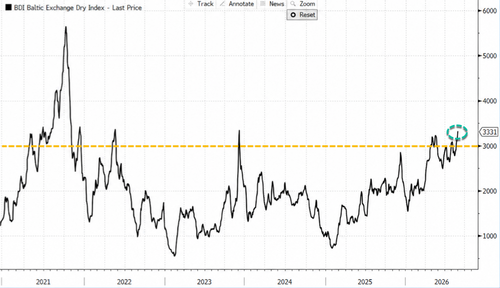
The Baltic Dry Index, which tracks freight rates for several vessel classes, including Capesize, Panamax and Supramax vessels, jumped 5.5% to 3,331 points in London on Wednesday, its highest level since December 2023. The index is nearing a technical breakout as analysts at brokerage Thurlestone Shipping warn that a “perfect storm” is developing.
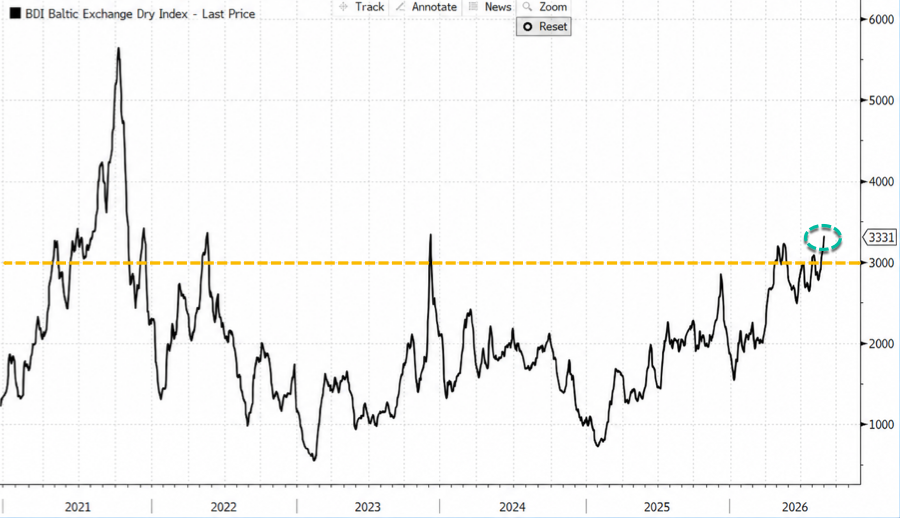
“We see the current surge as something of a perfect storm, with vessel supply tightening and demand firing in both basins at the same time,” Thurlestone Shipping analysts said.
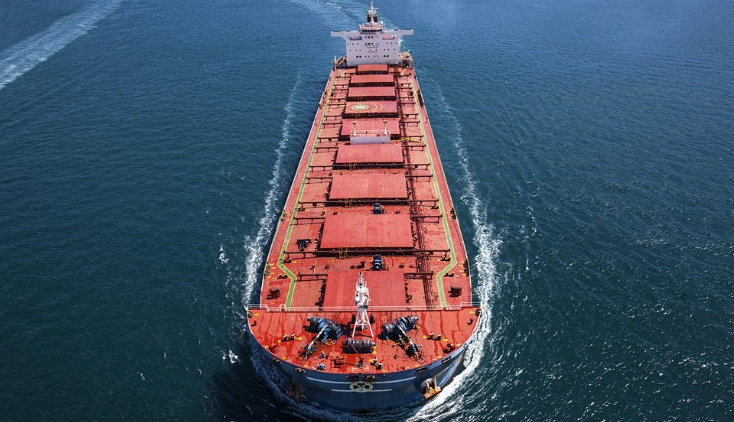
Maritime operations in the Pacific have been disrupted by a series of typhoons this summer, delaying vessels and reducing the amount of effective tonnage available to exporters. At the same time, Australian miners are ramping up shipments as maintenance programs wind down, while upgraded transshipment operations are boosting ore flows from Guinea’s giant Simandou deposit.
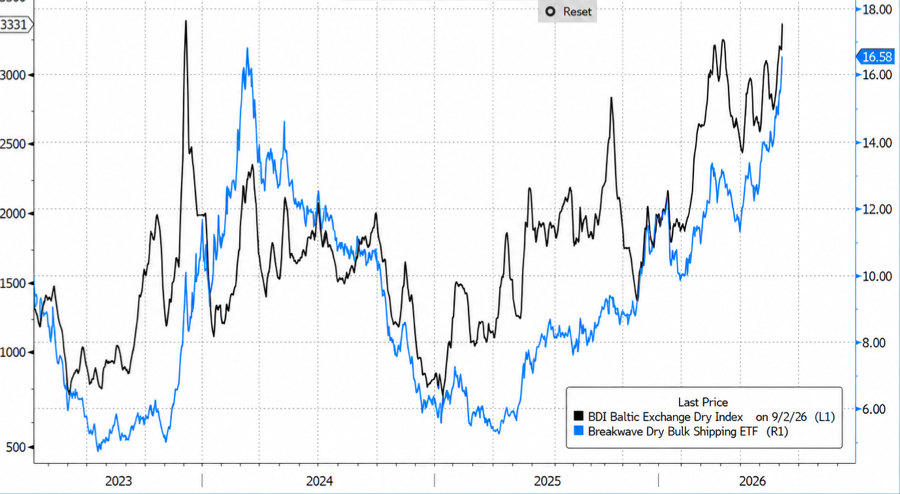
The BDI’s ascent comes as dry-bulk carrier stocks have soared, outperforming even tanker operators as investors price in stronger freight earnings and widening maritime bottlenecks.
The best tactical trade on rising BDI is the BDRY ETF.
“The market enters the latter part of the third quarter with a relatively high freight-rate floor just as Pacific typhoon activity typically becomes more disruptive to port operations,” said Wilson Wirawan, head of dry-bulk shipping research at BRS Shipbrokers. He added, “Resulting delays and vessel inefficiencies, if any, could further tighten effective tonnage availability, adding another layer of support to an already firm Capesize market.”
The world’s major maritime shipping routes are tightening again. Weather disruptions, longer voyages and surging demand are boosting freight costs, delivering a windfall to shipowners while pushing up transportation costs for iron ore, coal and grain.
Tyler Durden
Thu, 09/03/2026 – 13:40

