
Houthi Ballistic Missiles Hit Fuel Tanks Near Riyadh Airport In War First
In a historic first of the Yemen conflict, Houthi ballistic missiles rained down on the Saudi capital of Riyadh overnight, triggering rare air raid alerts and a general state of panic among the citizenry.
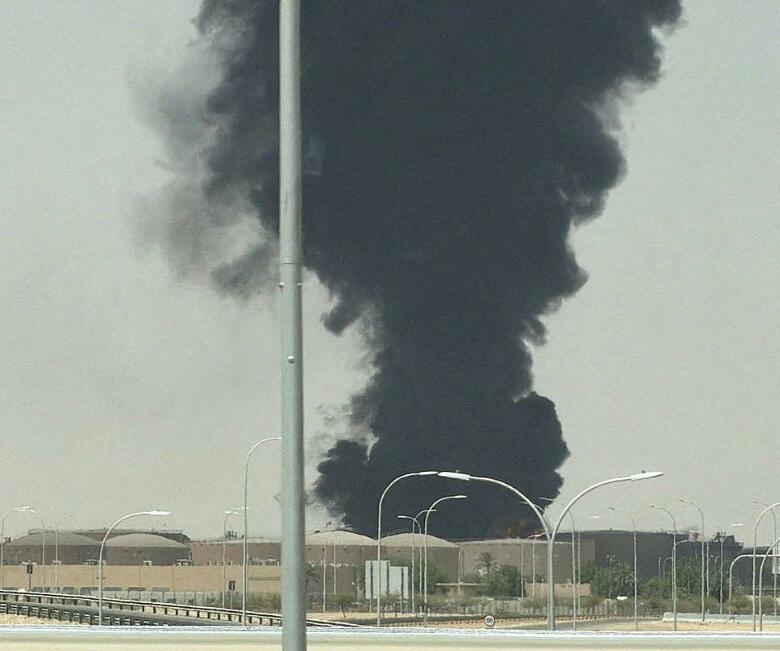
The international airport may have been targeted, given huge black smoke plumes were seen rising above city’s King Khalid international airport. There looks to have been a significant ground impact just near the major aviation hub.
The Guardian reports, “Explosions were heard in the capital as firefighters battled to extinguish the flames of a burning fuel tank emblazoned with the logo of the Saudi oil company Aramco near the city’s King Khalid international airport.”
Several rounds of explosions in the capital were heard overnight, with reports of flight cancelations and pauses, with FlightRadar24 citing “major problems” at the airport.
“The Saudi civil defense force sent air raid alerts overnight on Friday to residents of Riyadh, Jeddah and other cities including Yanbu, a major industrial port which is home to critical oil facilities,” The Guardian report notes.
No casualties or major damage has been officially reported, and the air alert warnings were soon lifted. There hasn’t been much in the way of a specific public assessment of the attack from Saudi authorities.
Smoke rises from fuel storage depot at King Khalid International Airport in Riyadh, Saudi Arabia pic.twitter.com/0qjb9oY3lC
— TRT World Now (@TRTWorldNow) September 19, 2026
Gulf states which have been targeted throughout the Iran conflict have by and large kept quiet on damage as a result of attacks either by Iranian forces or the Houthi rebels in Yemen. In some cases they’ve persecuted citizens who share photographs with the outside world.
Fierce fighting continues to unfold in Yemen, with regionally based analyst Yasmeen al-Eryani of the Sanaa Center think tank saying the Houthis continue to set the pace of escalation:
“You could see that the Houthis are determining the timelines and the levels of the escalation,” al-Eryani said. “So, depending on the current situation, it seems that the Houthis are the ones in control.”
The analyst traced the latest tensions back to July, when an Iranian Mahan Air flight resumed direct travel between Tehran and Houthi-controlled Sanaa.
She said tensions escalated with Saudi Arabia after a subsequent Mahan Air flight was prevented from landing in Sanaa, prompting Houthi retaliation and raising fears of a broader confrontation.
But the attacks have gone the other way as well, with the Houthi military on Saturday announcing that the Saudi coalition carried out 26 attacks against areas under the group’s control over the prior day.
Reported images and footage of smoke rising from facilities at King Khalid International Airport in Riyadh following overnight ballistic missile attacks by Ansarallah: pic.twitter.com/bTSfEDdlYF
— Drop Site (@DropSiteNews) September 19, 2026
The Houthis further tallied that over 300 Saudi attacks had been launched on their positions over just the past week, as cited in the AFP. After the rapid Houthi advance along the Red Sea coast this month, the Iran-aligned group is in better position to potentially block international shipping in the Bab Al-Mandab Strait.
Tyler Durden
Sat, 09/19/2026 – 13:25