

Bessent And He Lifeng Open High-Stakes Trade Talks Ahead Of Trump-Xi Summit
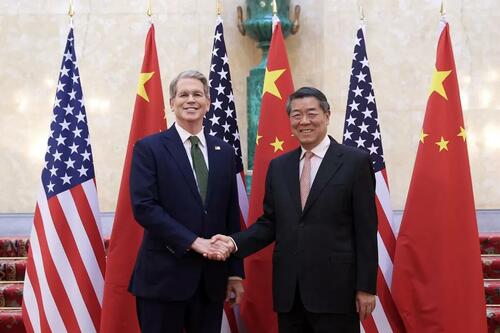
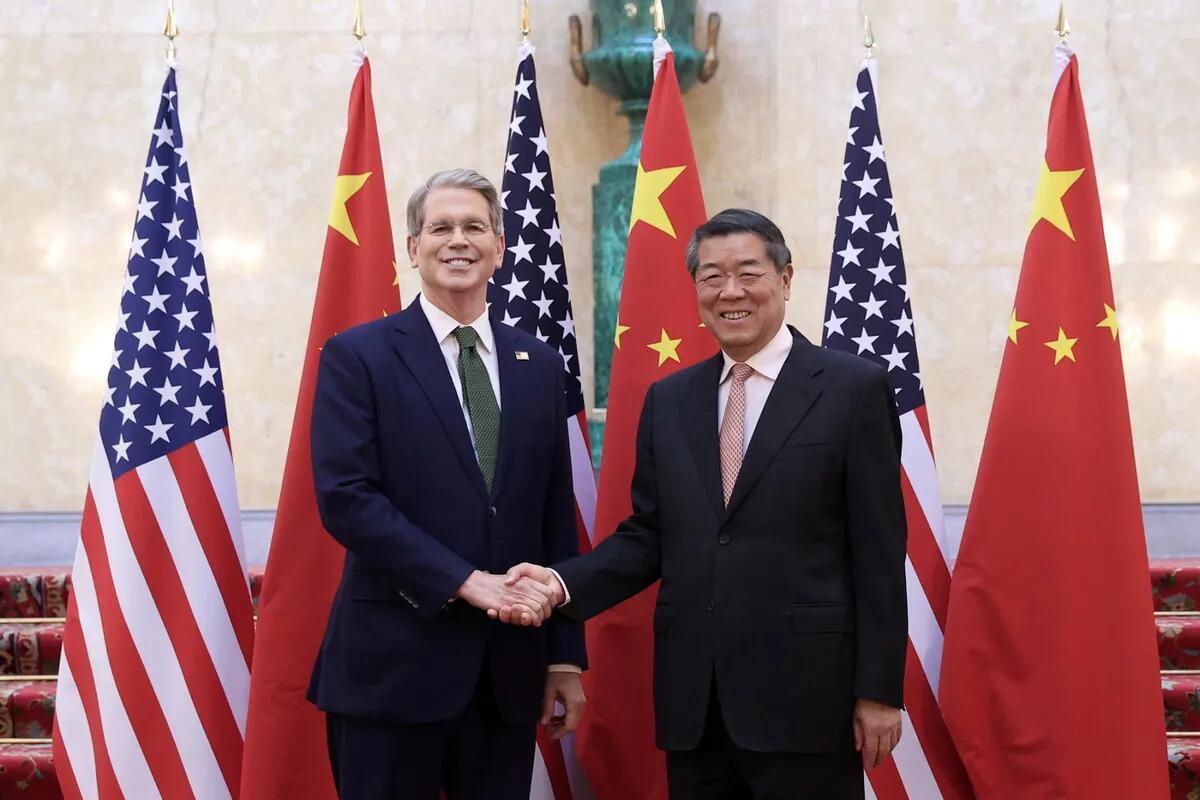
Treasury Secretary Scott Bessent and U.S. Trade Representative Jamieson Greer are meeting Chinese Vice Premier He Lifeng at JPMorgan Chase’s Manhattan headquarters on Sunday for a critical round of trade negotiations. The all-day session marks the final ministerial push before President Donald Trump hosts Chinese President Xi Jinping in Washington beginning September 24.
JPMorgan is not involved in the negotiations, though Bessent previously invited CEO Jamie Dimon to speak at a Treasury-hosted G20 finance leaders meeting in Asheville.
This negotiating channel previously engineered the Busan truce, which capped bilateral duties near 20 percent after reciprocal tariffs spiked into triple digits. The administration has since rebuilt its tariff structure under alternative statutes, while broader excess-capacity tariffs remain paused until after this week’s summit. The existing truce expires on November 10, adding urgency for both sides.
The Core Negotiating Agenda
Three primary issues dominate the current talks, alongside geopolitical tensions over Taiwan and Iranian oil:
- Rare Earths and Critical Minerals: Beijing committed in Busan to resume shipments of critical materials, but a senior U.S. official noted that China’s performance has fallen short. Disruptions to these supplies significantly impact global manufacturing and technology. Beijing holds the leverage of offering more export licenses but has yet to restore pre-restriction volumes.
- Artificial Intelligence: Negotiations will cover both open-weight and proprietary closed-weight AI models. Low-cost Chinese open-weight systems are increasingly adopted by U.S. developers, prompting Washington to push for bilateral guardrails against misuse by non-state actors while avoiding a complete bifurcation of the tech ecosystems.
- Unresolved Trade Commitments: Negotiators are revisiting items left hanging from Trump’s May visit to Beijing. This includes efforts to reduce tariffs on non-sensitive goods, finalize Chinese agricultural purchases, and address proposed U.S. tariffs linked to industrial overcapacity and forced-labor concerns.
Broader geopolitical issues continue to shadow the economic track. The conflict involving Iran and its impact on energy supplies has emerged as an unexpected major pressure point in the talks. Additionally, Washington continues to monitor the flow of fentanyl precursor chemicals from China, which will likely feature heavily in the main summit.
Expectations and Market Impact
The likelier outcome is diplomatic management rather than a major structural pact. Both administrations have a strong interest in avoiding a renewed escalation of trade tensions and preventing the Busan framework from falling apart before November.
Markets will look for any formal extension of the November 10 date, verified increases in magnet export permits, and whether agreements on AI guardrails contain binding terms.
Tyler Durden
Sun, 09/20/2026 – 11:05

