

Flock And Other Tech Firms Decline Senate Testimony On Mass Surveillance
Flock Safety CEO Garrett Langley and the heads of Axon Enterprise, Motorola Solutions and Verkada all declined invitations to testify before a Senate Judiciary subcommittee on Wednesday, as senators from both parties pressed on the surveillance networks their cameras feed. Sen. Josh Hawley (R-Mo.), who chairs the Subcommittee on Crime and Counterterrorism, called the no-shows “so typical.”
Democrats weren’t any happier. “For the Flock CEOs, obviously they’re nervous about being on camera,” said Sen. Dick Durbin (D-Ill.). Sen. Richard Blumenthal (D-Conn.) went further: “Their refusal to come forward and answer questions is a sign that they have something to hide, and they are refusing to be accountable.”
Instead, the panel heard from Lindsey Isaacs, a Florida woman who spent 13 days in jail after Flock’s system wrongly flagged her car as involved in a fatal crash. She was charged with three counts of vehicular homicide. The charges have since been dropped.
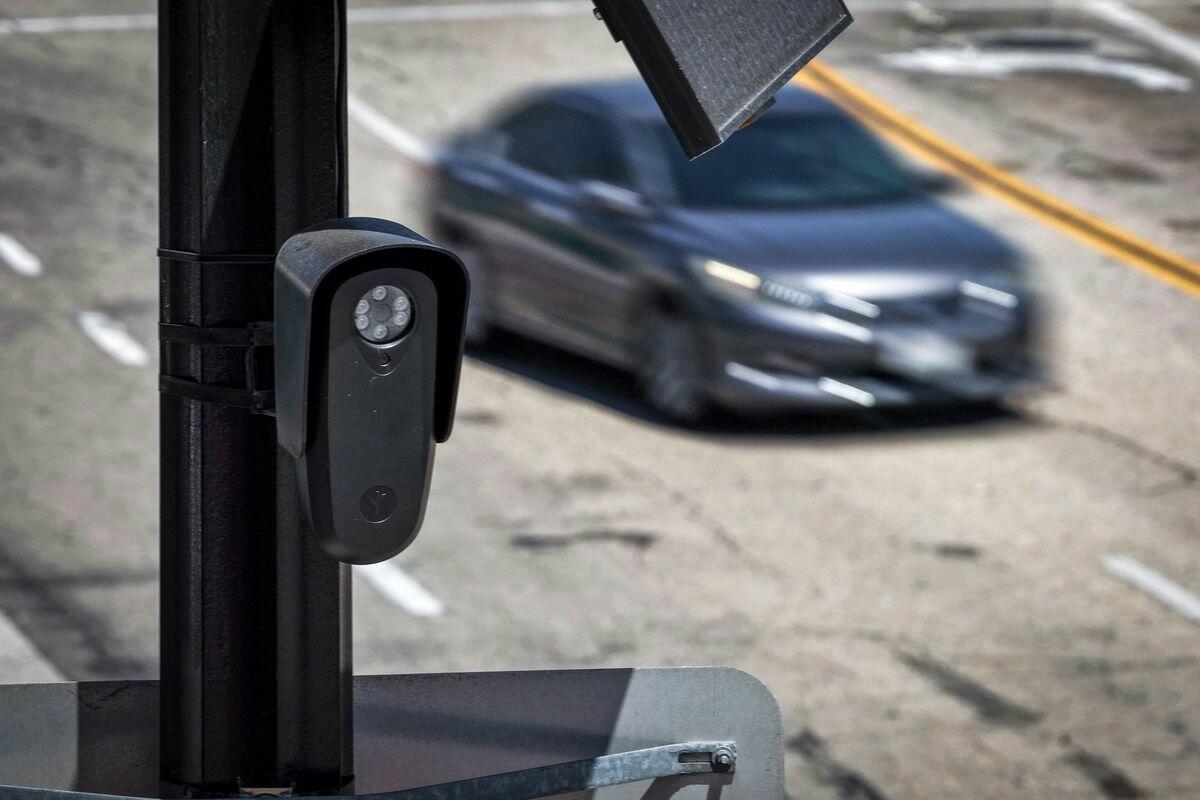
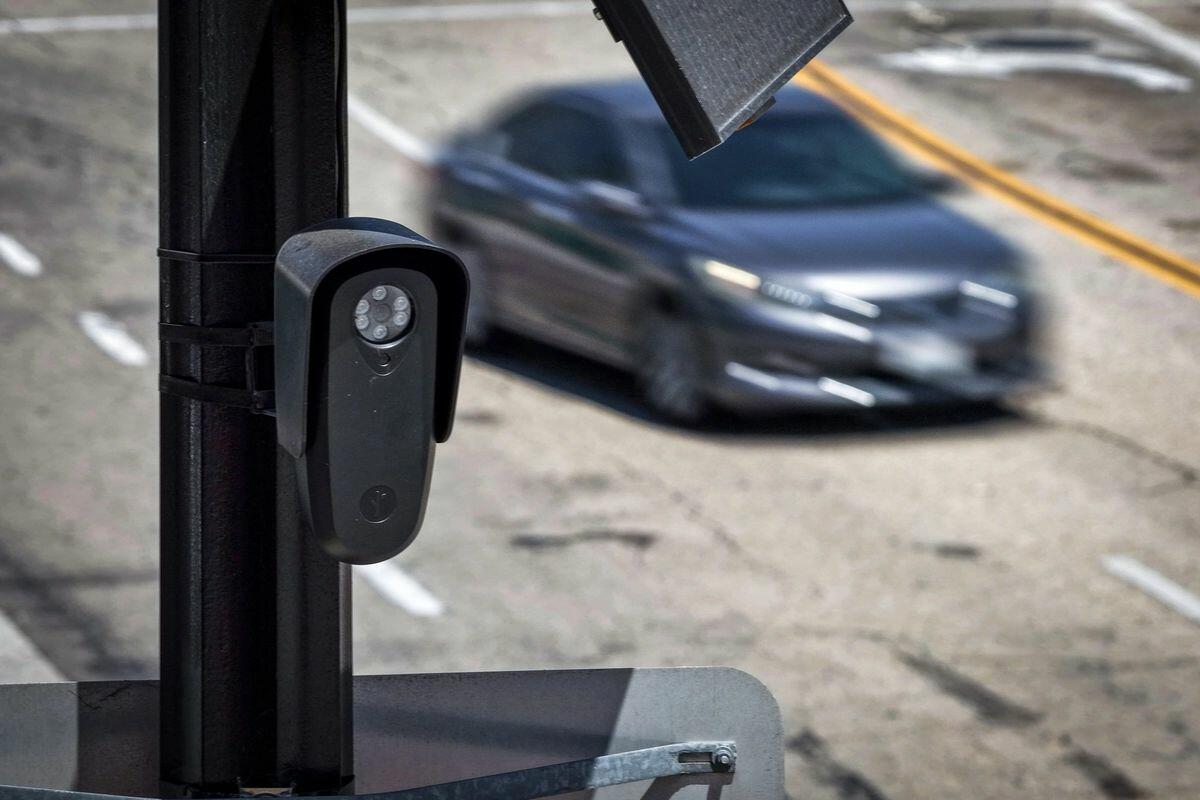
As The Epoch Times notes further, While the license plate-reading cameras developed by Flock have gotten the most airtime in recent weeks – prompting nationwide, viral moments of activist vigilantes destroying or disabling the cameras amid public opposition to the technology – competitors at Axon Enterprise and Motorola offer similar options for police and local governments.
The Los Angeles Police Department is currently planning to roll out a 10-year contract with Axon, a $235 million arrangement that would equip America’s second-largest metropolis with more than 1,600 license plate readers.
For municipalities, companies like Flock, Axon, and Motorola offer a potential melding of technology and traditional surveillance tech to reduce crime and make roadways safer. But the cameras they operate have boosted a growing artificial intelligence-powered surveillance network accessible by thousands of U.S. law enforcement agencies, which critics say runs afoul of the Fourth Amendment’s protections against unreasonable search and seizure.
Hawley warned during the hearing that, if not addressed, this would have troubling implications for Americans.
“This is still the United States of America, and it shouldn’t be that when you walk out your door in the morning, you just have to agree in assent and accept the fact that you’re going to be on camera morning, noon, and night,” Hawley said.
“You’ll be tracked by anybody and everybody in the world. You’ll have no privacy whatsoever. You’ll be tracked when you take your kids to school and tracked when you go to church and tracked when you go to the grocery store.”
Some high-profile abuses of the data collected from these cameras have made headlines.
In one recent case, Indianapolis authorities announced that five police officers had been charged with misusing data from Flock.
“The allegation is that the officers were searching or running the license plate information and tracking individuals through the Flock system. Very often times they had direct relationships with these individuals,” Marion County Prosecutor Ryan Mears explained after these charges were announced.
Meanwhile, lawmakers have demonstrated increased interest in the issue in recent weeks.
“Law-abiding citizens should never be treated as criminals,” Hawley wrote in a post on X ahead of the hearing. “Americans do not surrender their privacy rights when they drive to work or drop their kids off at school.”
Hawley emphasized during the hearing that, in an earlier letter, Langley had admitted that Flock’s database could be used to search for humans in images. Hawley described the admission as “very concerning.”
In another segment of the hearing, cybersecurity engineer Benn Jordan testified that, after he learned that Flock didn’t require clients to use multi-factor authentication, he investigated.
He found that Flock law enforcement accounts – which have access to the data from the cameras – were being sold online by a dark web vendor.
“I want to use my time here to ask our legislators to take this rare bipartisan agreement to view Flock as a canary in a coal mine and understand that this doesn’t go away by removing one company from the equation,” said Jordan.
He said that Axon and Motorola have similar aims.
Tyler Durden
Thu, 09/24/2026 – 23:00

