

Chilling Suicide Wave Inside The NSA Has Lawmakers Demanding Answers
At least 11 people working for the National Security Agency and US Cyber Command have died by suicide in a year, and a bipartisan group of House lawmakers is now pressing Congress to keep $11 million for mental health care at Fort Meade in the final defense spending bill.
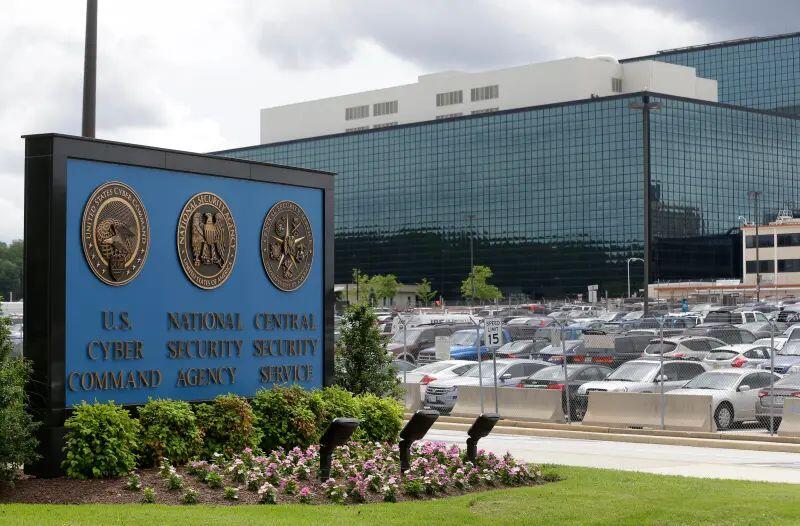
Dispensing with cloak and dagger and going straight to mental health, Rep. Eugene Vindman (D-VA, yes, the brother of that one) on Thursday put out the letter he and seven other members of the House Armed Services cyber subcommittee sent to the heads of the House and Senate appropriations committees, among them Republicans Don Bacon and Rich McCormick and Democrats Sarah Elfreth and Ro Khanna. “Because much of their work is classified, personnel may be unable to discuss the source of their stress with family members or with medical professionals who lack the clearances or facility access,” they wrote.
“These conditions can isolate personnel, limit timely access to appropriate care, and ultimately weaken readiness, retention, and operational effectiveness,” the letter continues, describing cyber operators as effectively “deployed in place” for two- or three-year assignments.
The money was Cyber Command’s own ask: Gen. Joshua Rudd, who runs both Cyber Command and the NSA, requested the $11 million citing burnout, the Baltimore Banner reported. It would pay for embedded behavioral health professionals who hold security clearances, which last year’s defense policy bill authorized. The House put it in its fiscal 2027 defense spending bill, and the letter asks appropriators to keep it in the final version.
The deaths, first tallied by Bloomberg, involved military personnel, civilians and contractors in the fiscal year that ended in September, as we reported. Ten were around the agency’s sprawling Fort Meade headquarters in Maryland and one near an NSA facility in Georgia. Five came in a five-week stretch in June and July, and the two most recent, a 21-year-old soldier and a 59-year-old civilian, came in September.
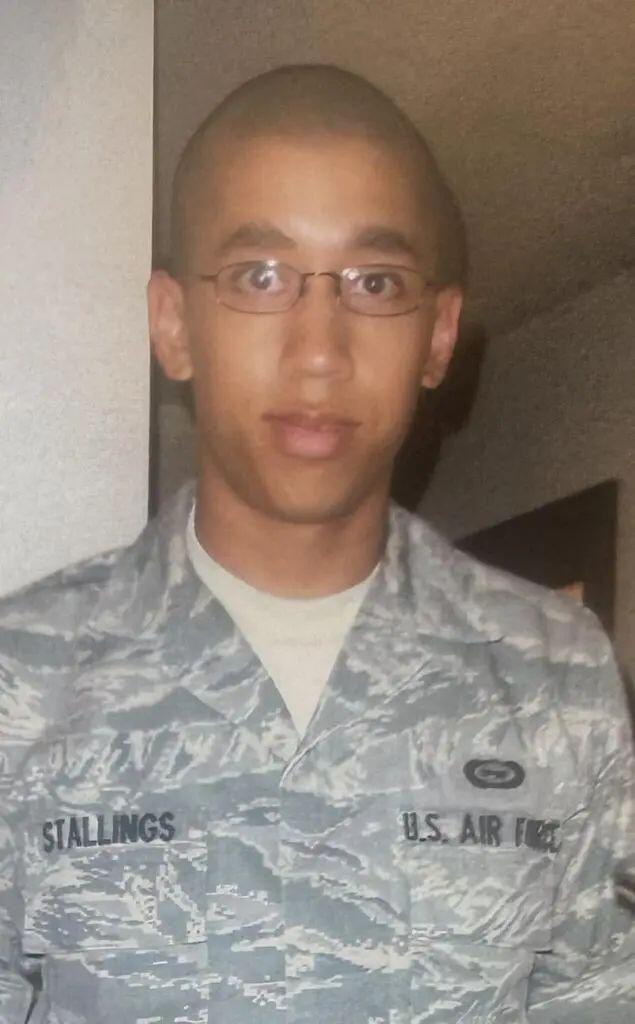
Kevin Stallings, a 36-year-old Air Force technical sergeant, failed to report for duty on June 18, and nobody found his body until an Air Force official ran a welfare check four days later. He died of a self-inflicted gunshot wound, according to an autopsy report reviewed by the New York Post. “It absolutely infuriates me. Why did you not check on my brother?” his brother, Adam Stallings, told Bloomberg.
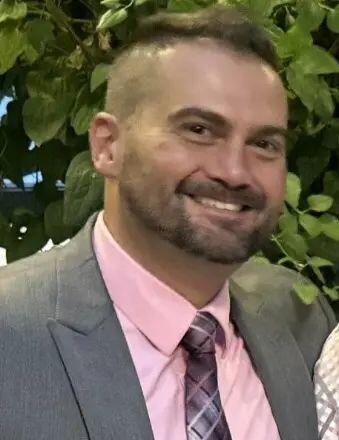
Maryland Air National Guard Capt. Kevin Paulson, 40, a cyberspace effects operations officer at the NSA, went for a morning run on July 6 and never came back. He had described shifts of up to 16 hours, and in the weeks before his death he was depressed and struggling to sleep, his sister, Leslie Maynard, told the Banner. An email he had scheduled for June 30 asked her to apologize to his NSA boss. “His career was his whole life,” she said.
Much of the work at Fort Meade happens in windowless, secured rooms known as sensitive compartmented information facilities, or SCIFs, where phones stay outside and nothing can be discussed with family. A Pentagon memo to Rudd from Katherine Sutton, the assistant secretary for cyber policy, said the “continuous, high-tempo nature of ongoing active cyber operations imposes a unique cumulative, cognitive and psychological toll,” and ordered Cyber Command to build a framework to address it by the end of October, the Banner reported after a senior Defense Department official confirmed it.
Officials have not tied the deaths to a single cause, and agency leaders have pointed to personal and financial troubles in individual cases. Stallings was dealing with financial stress, the end of his marriage and the death of his dog, the Post reported. Elfreth, whose district includes Fort Meade, is also pushing the Pentagon to count suicides among its civilian cyber workers, who are left out of its base suicide reports.
The problem at Fort Meade is not new. In 2012 the post counted six suicides in 12 months among its roughly 11,600 service members, a rate six times Maryland’s, according to Stars and Stripes.
Vindman’s office released the letter on the day the NSA’s classified network stayed down for a third straight day, with some staff sent home to work. Fort Meade employs as many as 64,000 civilian and military staffers.
