

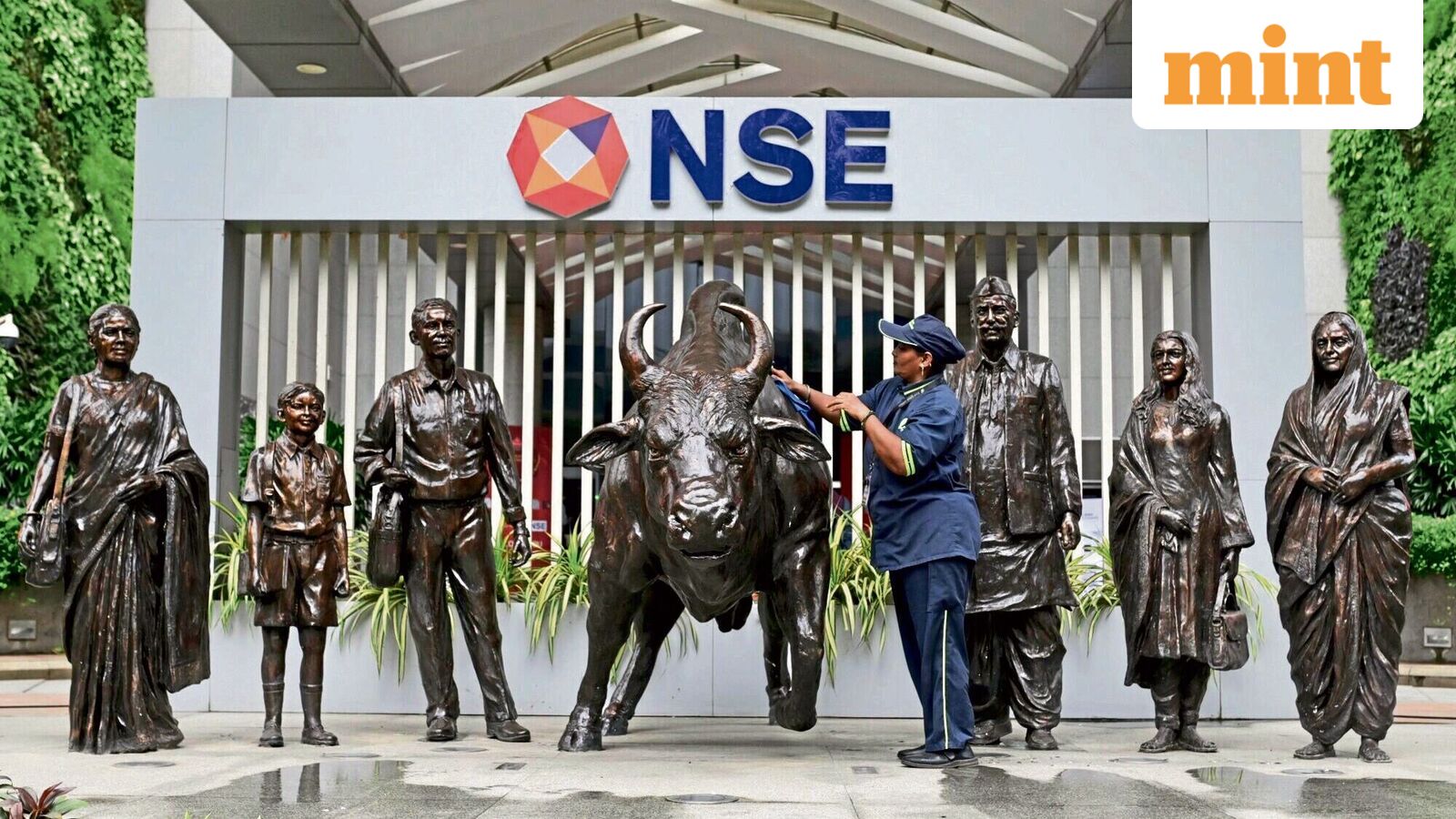
NSE’s long-awaited IPO comes after a year of slowing earnings, while BSE capitalized on Sebi’s expiry curbs to deliver explosive growth and narrow the valuation gap.
Contrast that with smaller rival BSE, which scaled new heights in FY26, almost doubling its Ebitda year-on-year to ₹3,156 crore. NSE’s Ebitda, meanwhile, fell 13% to ₹11,225 crore. For both exchanges, Ebitda has been calculated before contributions to Sebi’s settlement guarantee fund, which can be volatile.

