

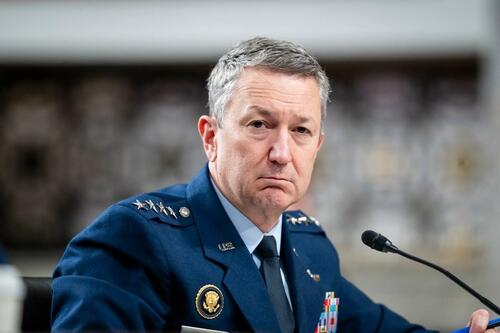
Top US General Says No Plans To Deploy Troops To Polling Sites In November
Authored by Aldgra Fredly via The Epoch Times,
The U.S. military has no plans to send troops or other personnel to polling places during November’s midterm elections, the top U.S. general has said.
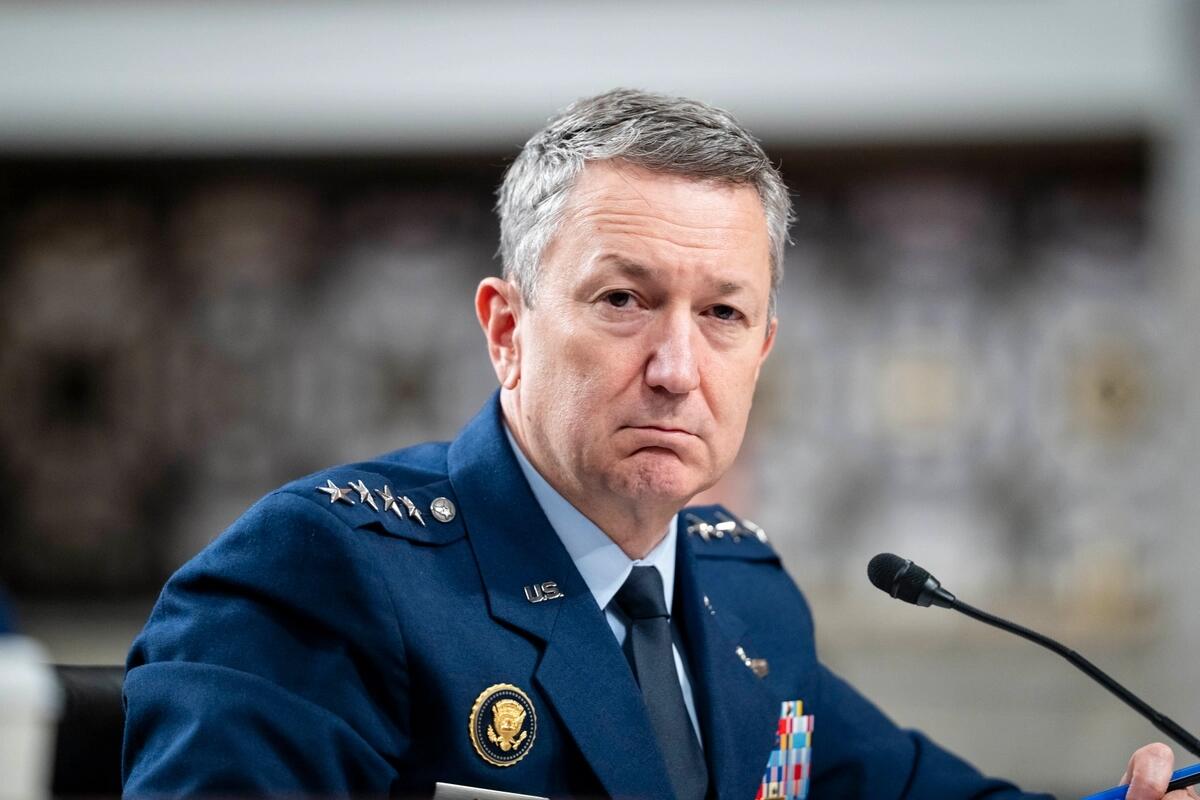
Gen. Dan Caine, chair of the Joint Chiefs of Staff, was responding to Sen. Elissa Slotkin (D-Mich.), who had asked him and Secretary of War Pete Hegseth in an Aug. 18 letter to confirm they won’t send troops to polls.
Caine wrote in response that state and local officials retain responsibility for overseeing election administration and security.
“The Joint Force has no plans to send Federal military personnel or Federalized members of the National Guard to polling places during the 2026 elections,” Caine wrote.
“Likewise, the Joint Force has no plans to use such personnel to seize ballots, voting machines, or other election-related material.”
Caine also said that he had not received, nor did he expect to receive, “any unlawful order” concerning the role of the Joint Force in the November midterm elections.
In 2020, Gen. Mark Milley, then-chairman of the Joint Chiefs of Staff, responded to a similar letter from Slotkin, then a congresswoman.
“I believe deeply in the principle of an apolitical U.S. military,” Milley wrote. “In the event of a dispute over some aspect of the elections, by law U.S. courts and the U.S. Congress are required to resolve any disputes, not the U.S. military.”
The United States is set to hold midterm elections in November, which will decide which party controls Congress for the next two years, with all 435 House seats and one-third of Senate seats up for election.
Earlier this year, then-White House press secretary Karoline Leavitt said President Donald Trump had not discussed any “formal plans” to deploy Immigration and Customs Enforcement (ICE) agents at polling places during the midterm elections, but declined to rule out the presence of federal agents near voting sites.
Federal law prohibits the government from deploying troops at locations holding general or special elections “unless such force be necessary to repel armed enemies of the United States,” according to 18 U.S. Code § 592, and bars any sort of interference in elections by armed forces. ICE agents are civilian law-enforcement officers and are not covered by the same prohibitions that apply to the armed forces, although other laws still limit intimidation or interference at polling places.
“I can’t guarantee that an ICE agent won’t be around a polling location in November,” Leavitt told reporters on Feb. 5. “But what I can tell you is I haven’t heard the president discuss any formal plans to put ICE outside of polling locations. It’s a disingenuous question.”
Leavitt stepped down from her role in late August, citing the need to focus on her family following the birth of her second child.
Slotkin introduced legislation on June 18 to prevent the deployment of military forces and federal agents at polling places during the midterm elections.
The bill would require the president to provide Congress with “intel, legal justification, and evidence” showing that state or local authorities are not capable of handling a threat on their own at least 48 hours before sending federal forces to polling sites, according to a statement from Slotkin’s office.
Tyler Durden
Tue, 09/01/2026 – 17:00

