

The 5 Places In America You Want To Be When Society Begins To Collapse
Authored by John Walter via Substack,
There is a moment before the fall. You will miss it. Everyone does.
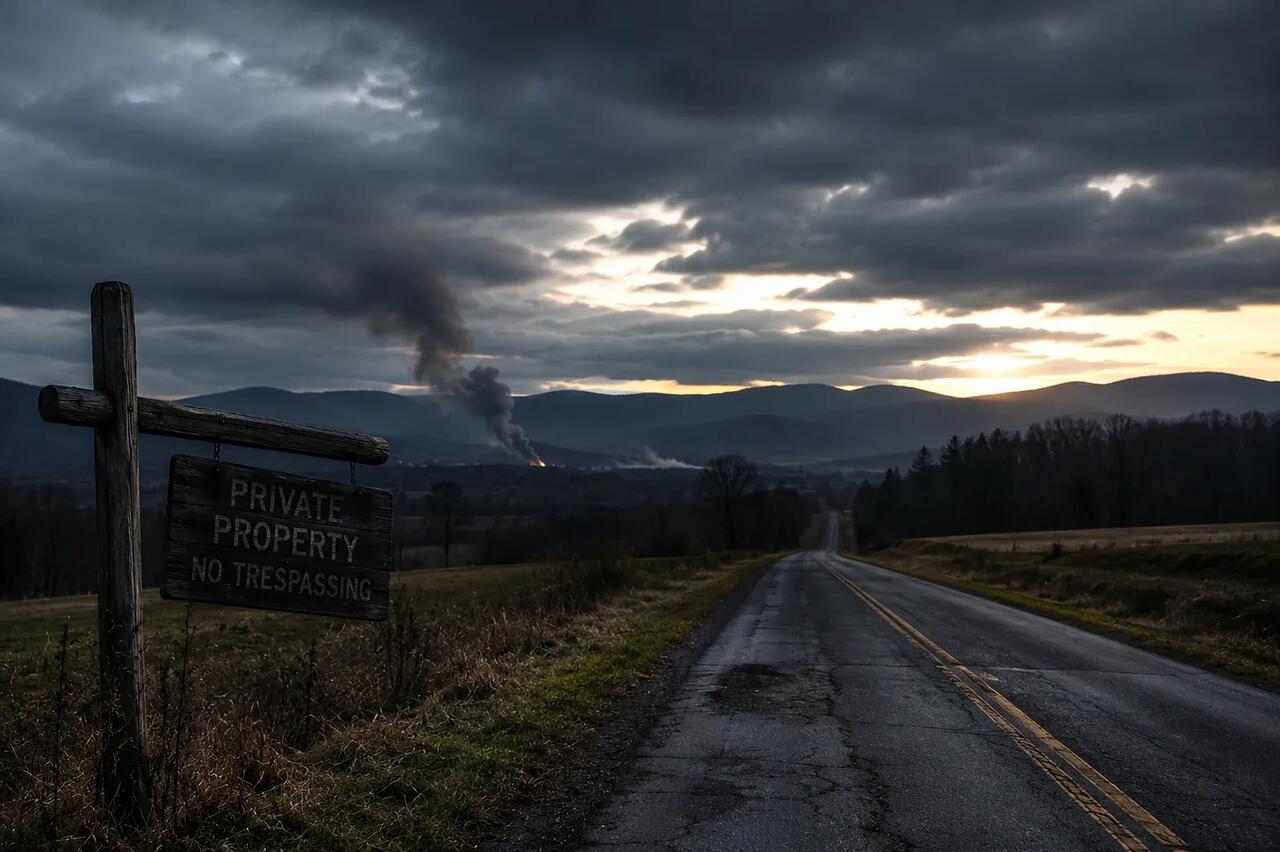
The shelves still hold food. The lights still work. The news still talks about politics, sports, the usual noise. But somewhere in the background, something has shifted. The supply chain that moved your breakfast cereal every Tuesday for twenty years now operates on thinner margins than the quarterly reports acknowledge. The water treatment plant built in 1967 still runs, but the replacement parts that once took three days to arrive now take eighteen months, if they arrive at all. The pension checks clear, but the funds backing them have been borrowing from themselves since 2008, and the actuarial projections no longer align with the demographic reality. They just haven’t stopped clearing yet.
This is not collapse. This is the pre-collapse.
The period when preparation remains possible, when geography can still be chosen, when the window sits open but narrowing.
Most Americans live in places that will not survive prolonged systems failure. Not because the people are weak, but because the infrastructure is brittle by design. The Northeast Corridor depends on just-in-time delivery networks with three-day margins that assume trucks will always run and bridges will always stand. California’s cities exist in permanent water deficit maintained only by imports traveling hundreds of miles across earthquake faults and political fault lines. Florida’s peninsula offers no lateral escape when the storm surge comes, only northward highways that become parking lots. The desert Southwest operates on energy budgets that cannot be sustained without continuous fuel delivery to power plants that cannot function without water that no longer exists in sufficient quantities. The Industrial Midwest is already experiencing municipal bankruptcy that will soon make basic services – police, fire, snow removal, water treatment – unreliable or absent.
These are not predictions. They are observations of systems already stressed beyond design parameters, running on inertia and denial.
What follows is not a guide to bunker construction or food storage. It is an examination of five regions where the conditions for long-term survival exist – not because these places are easy, but because they are hard in ways that matter. They possess water, space, soil, and social structures that function without constant external inputs. They demand physical toughness, tolerance for isolation, and willingness to abandon the conveniences of contemporary life. They offer no guarantees. But they offer possibility, which is more than can be said for the places where most Americans currently live.
The selection rests on data: population density, water source reliability, agricultural capacity, energy independence, legal frameworks for self-defense. But it also rests on something harder to quantify – the persistence of skills and social patterns that predate industrial dependence. Some places remember how to survive without the grid. Others never forgot.
The window for relocation narrows daily. Land prices in these regions rise as awareness spreads. Communities that once welcomed newcomers now view them with suspicion that borders on hostility. Infrastructure that could support additional population strains under those already arriving. The question is not whether to move, but whether you will move before movement becomes impossible, before the roads clog with those fleeing the same crisis you saw coming, before the locals decide they have accepted enough outsiders.
Here are the five places.
Interior Redoubt
Idaho, Montana, and Wyoming contain approximately 3.3 million people spread across 270,000 square miles. Average density: twelve persons per square mile. In some northern counties, the figure drops below five.
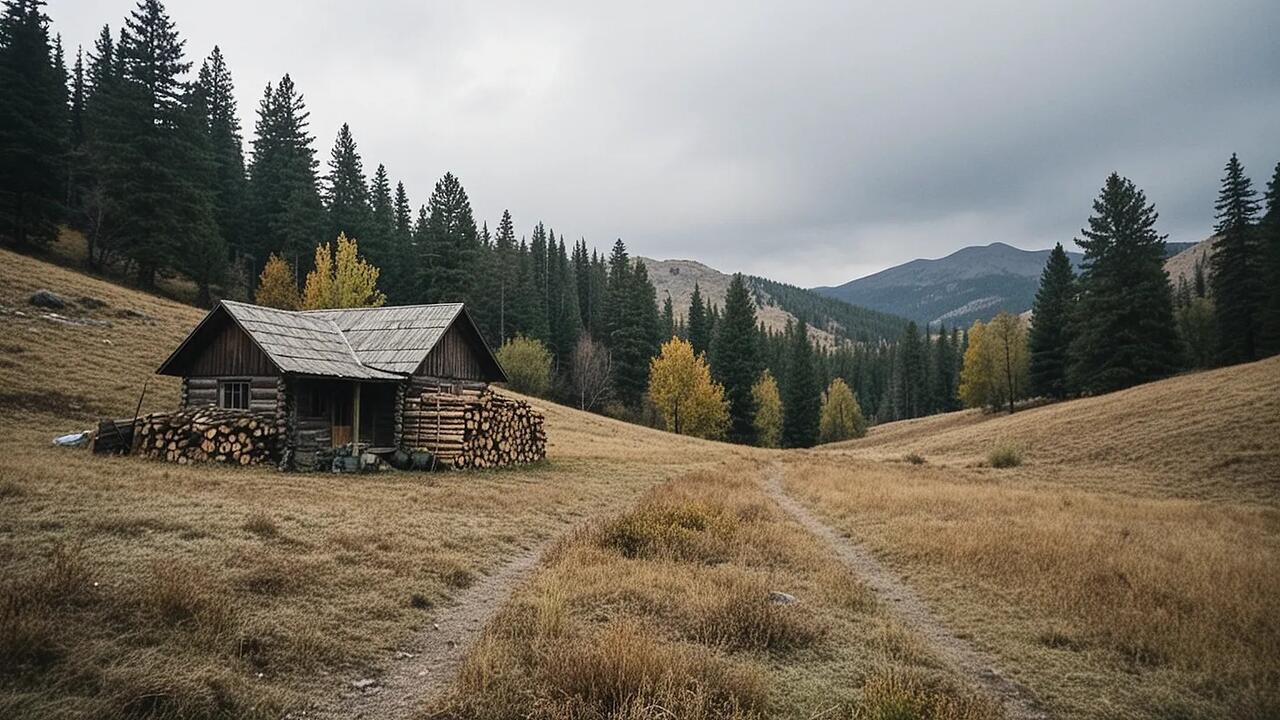
Space you can breathe in.
Beneath southern Idaho lies the Snake River Plain aquifer. A USGS hydrologist explained it simply: enough water exists there to support populations hundreds of times larger than current levels, for centuries, even under drought conditions that would devastate other regions. Wells hit water at fifty to one hundred feet. In many places, the pressure is sufficient that pumps become unnecessary – gravity does the work, pushing water to the surface through artesian flow.
Montana holds the headwaters of three major river systems: Missouri, Columbia, and Mississippi. The state averages fifteen to thirty inches of precipitation annually. This water does not arrive through distant bureaucracies or engineering projects requiring political negotiation. It falls from the sky and runs off mountains that have not yet been drained by overuse because the population has never been large enough to drain them.
Wyoming has 580,000 residents. It is the least populated state. You can drive for hours and see no one. You can buy land by the hundred-acre parcel for prices that would not purchase a garage in San Francisco. The game populations – elk, deer, pronghorn, bear – are managed for sustainability rather than exhaustion. A resident can hunt them without competing with millions of others because millions of others are simply not there. They are elsewhere, packed into cities, dependent on systems that will not sustain them.
Winters here are brutal. Twenty below zero is common. Snow blocks roads for weeks, sometimes months. The growing season runs ninety to one hundred twenty days. The soil in mountain zones is thin, rocky, difficult to work. These are not inconveniences to be solved with better technology. They function as filters, keeping out those who lack the physical capacity or psychological tolerance for genuine hardship. They select for people who can survive when comfort disappears.
Idaho, Montana, and Wyoming all recognize constitutional carry. No permits are required for concealed or open carry. All three recognize Castle Doctrine and Stand Your Ground. A property owner faces no legal obligation to retreat before an intruder. These laws reflect a culture where self-reliance is expected, not merely permitted – a culture where waiting for police to arrive is understood as a luxury that may not always be available.
Communities here are not homogeneous. Some welcome newcomers with skills and capital. Others view outsiders with hostility that can last generations, rooted in experience with those who arrived with plans to transform rather than to join. Integration is slow. It requires demonstrating utility, respecting local norms, contributing before expecting acceptance. Those who arrive with intentions to make these places into versions of what they left will be resisted, sometimes violently. Those who arrive to learn and to work will eventually find their place, though “eventually” may mean years rather than months.
Life in the Redoubt demands tolerance for isolation that many cannot manage without psychological breakdown. The nearest hospital may be hours away. The nearest specialist may be days away. Preparation for winter cannot be improvised when the first storm hits in October and does not lift until April. Yet for those who meet these demands, this region offers something increasingly scarce: genuine autonomy, the possibility of building a life that does not depend on distant systems controlled by people who do not know you exist.
Water security is local. Food production is possible, though limited by climate. Defense is legally and culturally supported. Population density is low enough that resource competition will not become lethal for generations, even under severe conditions. Infrastructure is old but decentralized, simple but repairable with hand tools and knowledge that persists in the community.
A planner in Montana noted that some eastern counties have lost so much population that schools have closed, postal service runs only a few days per week, and emergency response is measured in hours rather than minutes. Some see this as demographic decline. Others see opportunity. The infrastructure exists. The land is there. The water flows. What is missing are people willing to do the work.
Ozark Plateau
Beneath the limestone and sandstone of the Ozarks lies one of the world’s largest accessible aquifer systems. It covers 68,000 square miles across Missouri, Arkansas, Oklahoma, and Kansas. The water sits shallow. In most places, fifty to one hundred fifty feet of drilling brings you to water that does not require heavy pumps or significant energy to extract. You dig. You hit water. You drink.
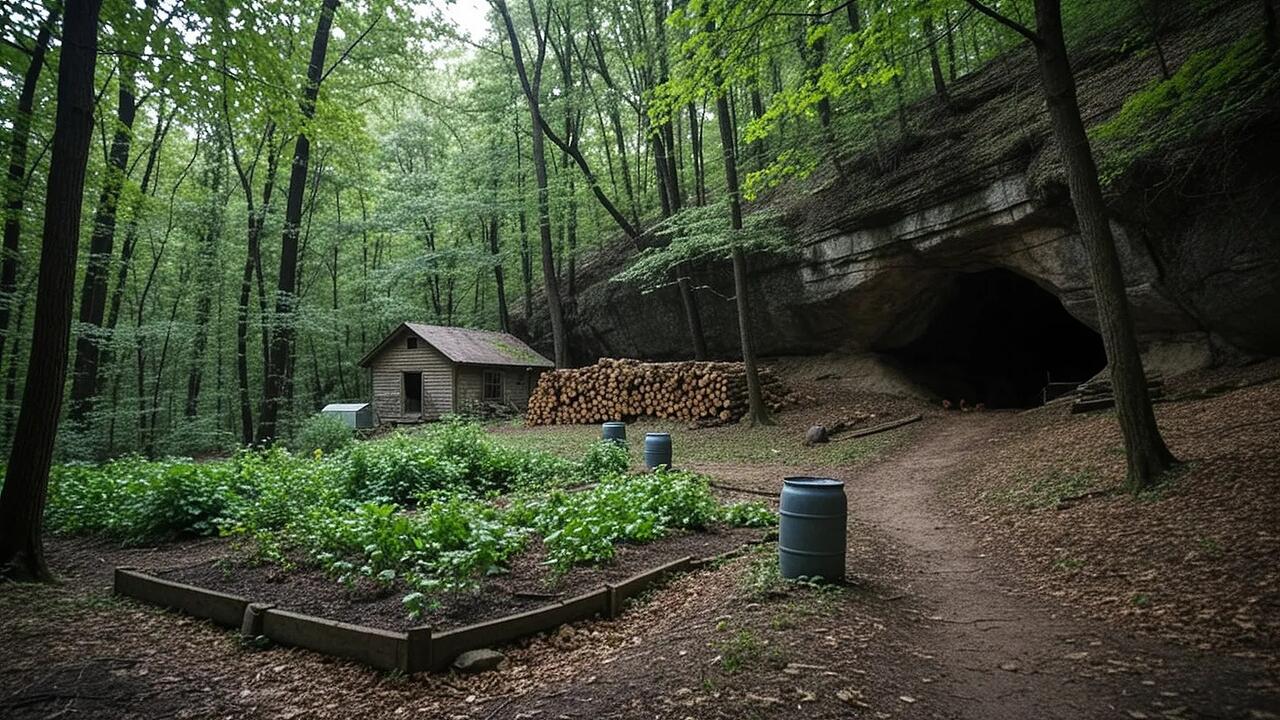
A 2024 USGS study confirmed what locals have known for generations: recharge rates remain sustainable. Unlike the Ogallala Aquifer, being depleted across the Great Plains, or the Colorado River basin, over-allocated by politics and climate change, the Ozark system continues to refill naturally from precipitation averaging forty-five to sixty inches annually. This water has been there. It will likely remain there long after other sources have failed.
Missouri’s state average density is ninety persons per square mile. This figure misleads. Wayne County, in the southern part of the state, holds thirteen people per square mile spread across 774 square miles of forested, hilly terrain difficult to farm with industrial machinery. This difficulty has protected it. It has not been converted to monoculture corn and soy. It remains a patchwork of small holdings, woodlots, and family farms that have survived despite agricultural economics rather than because of them.
Arkansas adds nineteen million acres of forest. Hunting is abundant: squirrel, rabbit, whitetail deer, black bear, wild turkey. A resident who learns to hunt and process game can provide protein for a household without depending on supply chains that may break without warning. Forests also provide timber for construction and fuel, foraging for mushrooms and berries, and cover dense enough to make large-scale surveillance or control practically impossible without resources no collapsing government will possess.
The climate is humid subtropical. Summers are hot and wet. Winters are mild compared to the north. The growing season runs one hundred eighty to two hundred days at lower elevations. Two crops per year become possible with planning and labor. Rainfall is consistent enough that irrigation is unnecessary for most gardening, eliminating dependence on pumps and electrical infrastructure that may fail.
Land costs are among the nation’s lowest. Twenty acres with water access and building rights can be purchased for under fifty thousand dollars in many counties. This is not an investment opportunity promising returns. It is a price point that permits people of modest means to achieve property independence without mortgage debt that would force continued participation in the wage economy, continued dependence on systems that may not survive.
By conventional metrics, the Ozarks are poor. Incomes are low. Educational attainment lags national averages. Health outcomes are worse than the nation as a whole. But these metrics measure integration into a system that may not survive. They do not measure the ability to feed oneself, to build shelter, to repair machinery, to survive without external inputs that require functioning supply chains and stable currencies. By those measures, this region possesses wealth that cannot be quantified in dollars and cannot be seized by institutions that may fail.
Scots-Irish immigrants settled this region, bringing traditions of self-sufficiency that have persisted through centuries of economic marginalization. People still can vegetables, smoke meat, build with timber they have felled themselves, repair vehicles with hand tools, deliver babies without hospitals. These skills are not romantic anachronisms. They are practical capacities that become essential when the industrial infrastructure stops functioning, when the trucks stop running, when the grid goes down and does not come back up.
Social structure is tight, kinship-based, suspicious of outsiders. Family networks extend across counties. Reciprocity is expected and enforced: you help your neighbor raise his barn, he helps you bring in your harvest. Those who violate these norms find themselves excluded from the networks that provide security and mutual aid. Those who respect them, who contribute before claiming membership, may eventually find a place, though the process takes years and cannot be rushed by money or credentials.
Health care is inadequate by urban standards. Economic opportunities are limited to agriculture, logging, and tourism that will likely disappear when the economy contracts. Isolation can become crushing for those accustomed to urban stimulation and constant connectivity. Yet for those willing to work within its constraints, to accept lower material standards in exchange for genuine autonomy, the Ozarks offer water security, food production capacity, and social infrastructure that functions without dependence on distant systems.
Appalachian Highlands
Eastern slopes of the Appalachians receive more than sixty inches of annual precipitation in many zones. While the American West dries under climate change pressure, these mountains remain green, wet, breathing. Water flows from springs that have run for centuries, feeding creeks and rivers that require no pumping, no treatment plants, no distant infrastructure vulnerable to interruption. For a prepared household, that abundance can mean the difference between dependence and self-sufficiency.
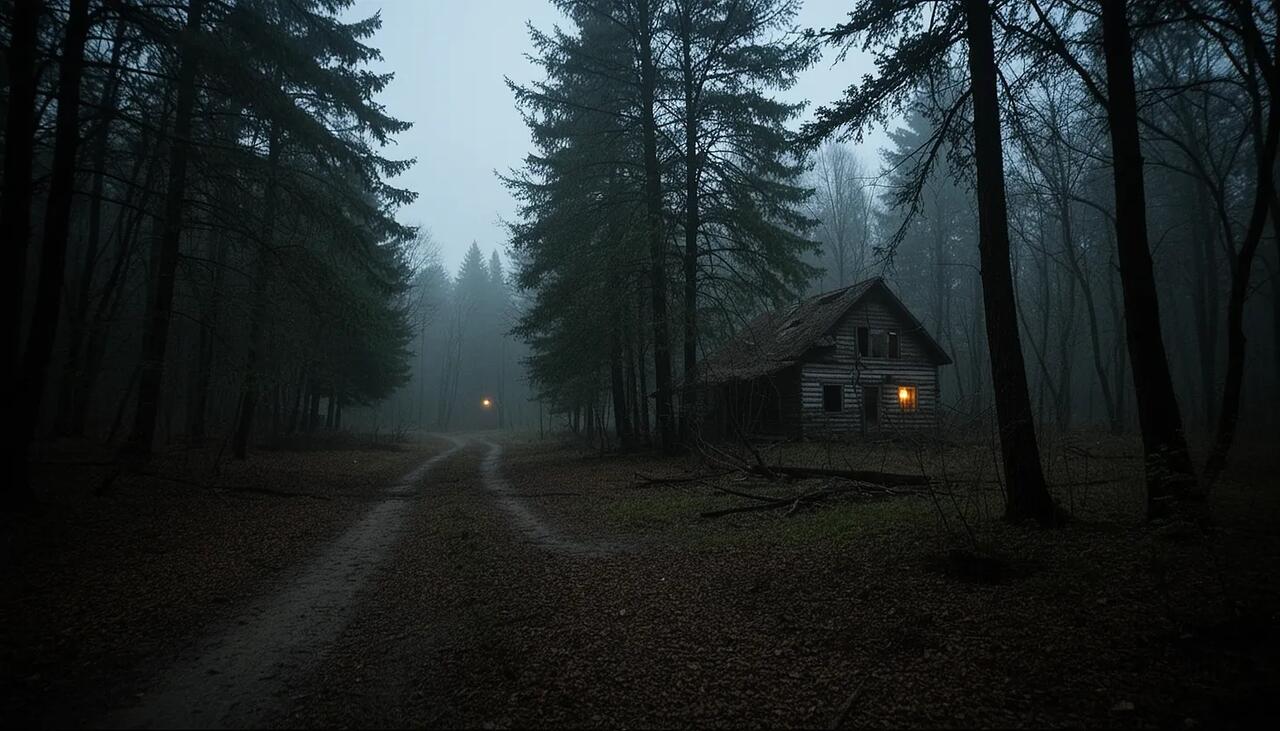
Eastern Tennessee, particularly the Cumberland Plateau and the Unaka Mountains, combines this water abundance with moderate climate. The growing season exceeds two hundred days at lower elevations. The soil, though often rocky and steep, is fertile when worked with knowledge rather than machinery. Terrain is difficult – steep slopes, narrow valleys, limited road networks that become impassable in winter storms. This difficulty has protected the region from the development that has flattened other areas, turned them into suburbs and strip malls and dependent populations.
Wayne County, Tennessee, contains over two thousand documented springs. Many remain unexploited, flowing from hillsides on properties that have not been developed because the terrain made development unprofitable. A property owner who finds one has a water source that requires no electricity, that resists contamination by industrial activity, that will likely continue flowing as long as the mountains stand and the climate remains wet. Hydrology here is local. It does not depend on political agreements hundreds of miles away or engineering projects requiring maintenance by specialists who may not be available during institutional breakdown.
Western North Carolina offers similar conditions. The Blue Ridge and Great Smoky Mountains create a precipitation capture effect that keeps the region wet even when surrounding areas experience drought. Forests are dense deciduous hardwoods – oak, hickory, maple – providing timber, fuel, and forage. Streams hold trout. Hunting is adequate, though not as abundant as in the Midwest or West. Terrain makes large-scale agriculture impossible but small-scale intensive cultivation viable for those who know how to terrace slopes and work with gravity rather than against it.
West Virginia has lost sixty percent of its population since the coal peak of the mid-twentieth century. Infrastructure built for two million people now serves fewer than seven hundred thousand. Empty houses dot the hillsides. Schools have closed. Roads are maintained minimally if at all. Some interpret this as failure. Others see opportunity. Land is cheap. Water flows from springs and wells that have not been exhausted because the population that would exhaust them has left for cities that will likely not survive systemic disruption as well as this abandoned region will.
Winters here are real. Temperatures drop below freezing for extended periods. Snow falls, sometimes heavily, closing roads and increasing isolation. But the climate is not arctic. Survival is possible with preparation that is demanding but not extreme, with wood heat and stored food and clothing adequate for cold that kills the unprepared but merely inconveniences those who have prepared.
Social fabric is complex, damaged by poverty and the opioid epidemic that has devastated communities already marginalized by economic change. Educational resources are limited. Medical care is inadequate by urban standards. But there is also a resilience that does not appear in economic statistics, a capacity for mutual aid that has never stopped functioning because it was never replaced by government services that might fail.
When floods hit in 2024, the response came not from FEMA but from neighbors with excavators and chainsaws, churches with shelter space and food stores, hunters with meat to share. Networks functioned because they had never stopped functioning, never been fully outsourced to institutions that collapse when funding disappears. They were still there, still operating on reciprocity and kinship, ready to activate when crisis came.
Terrain provides natural defensive advantages that should not be underestimated. Narrow valleys limit access to single roads that can be blocked or observed. Steep slopes prevent easy surveillance from a distance, make large-scale movement difficult, provide cover for those who know the land. Dense forests hide movement and shelter. Surveillance is difficult. Control is practically impossible without massive resource expenditure that no collapsing government will be able to muster. Historical precedents – from Civil War guerrilla operations to Prohibition-era resistance to federal authority – demonstrate the region’s capacity to harbor autonomous populations against forces that technically possess superior power but cannot effectively deploy it in such terrain.
Suspicion of outsiders runs deep, often justified by experience with extractive industries that took resources and left poverty, with government programs that promised development and delivered dependency. Those who arrive with money and plans to transform the region into something else, something more like the places they fled, will face resistance that can become dangerous. Those who arrive with humility, with willingness to learn, with skills to contribute and patience to wait for acceptance, may eventually find a place. The process is slow. It cannot be rushed by credentials or capital.
Upper Peninsula of Michigan
Sixteen thousand five hundred square miles. Three hundred thousand people. Simple math: there is space here. Space between settlements. Space between people. Space to disappear, to operate without observation, to survive without constant interaction with systems of control that will likely not survive prolonged instability.
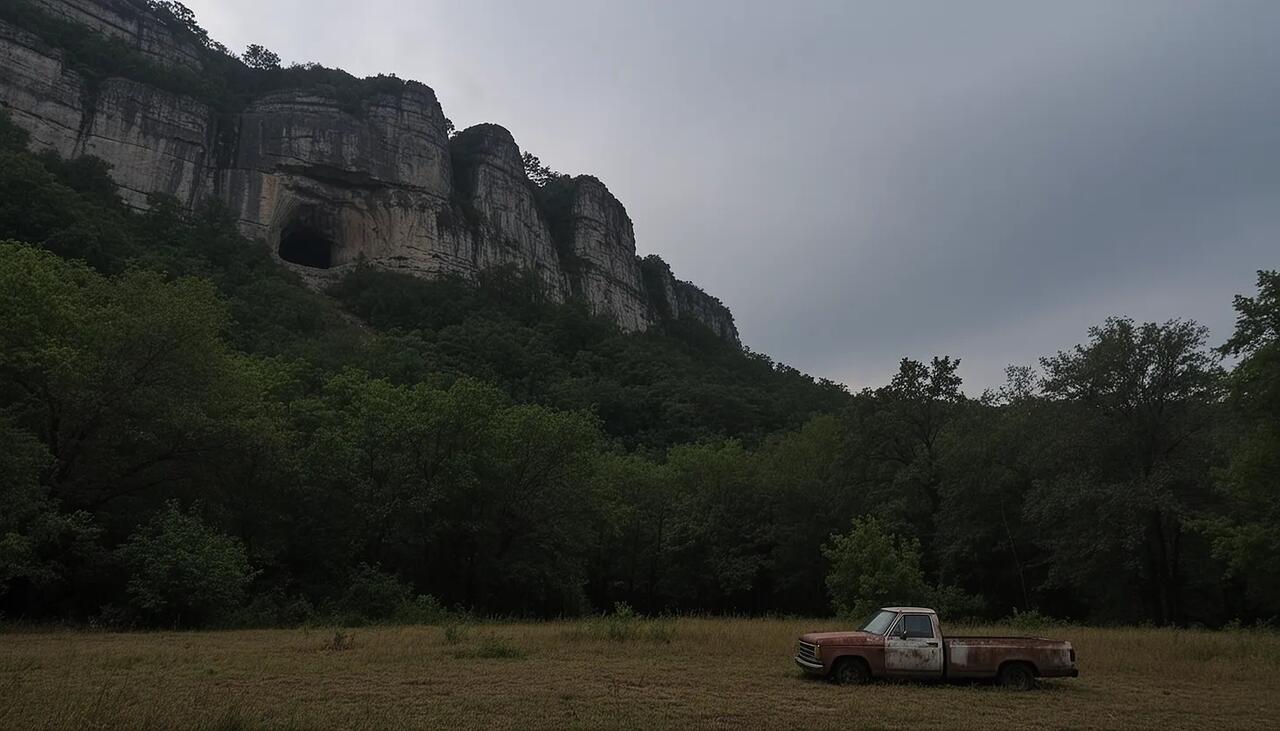
Surrounding the UP are the largest freshwater reserves on Earth. Lake Superior alone contains enough water to cover the continental United States to a depth of one foot. Rivers flowing into it are numerous and, in most cases, clean enough to drink without treatment that requires chemicals and equipment that may not be available during infrastructure failure. Water is not the problem here. It is the solution to problems that will kill people elsewhere – dehydration, thirst, conflict over shrinking supplies.
The growing season is short: ninety to one hundred twenty days. Agriculture is limited, challenging, requiring crops suited to cold climates and short seasons. But the UP is not a desert. Potatoes, root vegetables, cold-hardy grains can be grown with planning, with greenhouses, with knowledge of varieties that mature quickly. More importantly, the region supports game populations – whitetail deer, black bear, small game – that can provide protein for those who hunt and possess the skills to process what they kill. Lakes and rivers hold fish. Forests provide timber for fuel and construction, enough wood to heat homes through winters that would likely kill the unprepared.
Winters are brutal in ways that must be experienced to be understood. Twenty below zero is not unusual. Snow accumulates in feet, not inches, and stays for months. Roads become impassable without heavy equipment that requires fuel and maintenance. Isolation increases as the snow falls and temperatures drop. This is not a design flaw. It is a feature. It keeps people out. It makes large-scale movement difficult. It creates a barrier that does not need to be guarded because nature guards it with cold that kills those who are not prepared for it.
Only three bridges connect the UP to the rest of Michigan. All are vulnerable to interruption by weather, by accident, by deliberate action. The road network is sparse, maintained minimally, often impassable in winter regardless of official status. Population is concentrated in a few small cities – Marquette, Houghton, Sault Ste. Marie – leaving vast areas nearly empty, populated by scattered homesteads and small settlements separated by miles of forest and water.
Land is cheap. Forty acres with water access can be purchased for thirty thousand dollars, sometimes less. Infrastructure – roads, power lines, buildings – exists from the mining boom of the late nineteenth and early twentieth centuries but is now underutilized, maintained for populations that no longer exist. Houses stand empty, available for those willing to repair them. Schools have closed, leaving buildings that could serve other purposes. Population has been declining for decades, creating opportunity for those seeking to establish autonomous operations without competing for resources with millions of others.
The electrical grid is vulnerable. Winter storms knock out power regularly, sometimes for days or weeks. Residents have adapted over generations. Wood heat is standard, not optional. Generators are common, though they depend on fuel that must be brought from distant sources. Culture here accepts interruption as normal rather than catastrophic. This adaptation means that when the grid fails permanently, the population will likely not panic. They will light their stoves and continue, as they have done before, as their grandparents did before them.
Medical care is limited by distance. Hospitals are few and far between. Specialized care requires travel to Green Bay or Milwaukee, hours away over dangerous roads in winter. Population is aging, older than the national average. But older residents possess skills that have been forgotten in cities: how to cut timber with hand tools and chainsaws, how to repair engines without specialized equipment, how to grow food in short seasons, how to preserve meat through smoking and freezing, how to survive without calling a service technician who may not exist when systems fail.
Life here is not for the casual prepper who believes that buying supplies is sufficient preparation. It demands preparation for winters that have killed the unprepared historically and will likely kill them again when the infrastructure that provides margin for error fails. It demands tolerance for isolation that can become psychological torture for those accustomed to constant stimulation and connectivity. It demands skills that cannot be learned from books in the moment of crisis but must be practiced over years. Yet for those who meet these demands, who possess the hardiness and knowledge required, the UP offers water security, space, and social infrastructure that functions without dependence on distant systems controlled by people who will not be there when those systems fail.
Interior Alaska
Three hundred thousand square miles. Fewer than one hundred thousand people. The density is not low. It is nearly nonexistent, approaching the point where human presence becomes statistical noise against the vastness of the land.
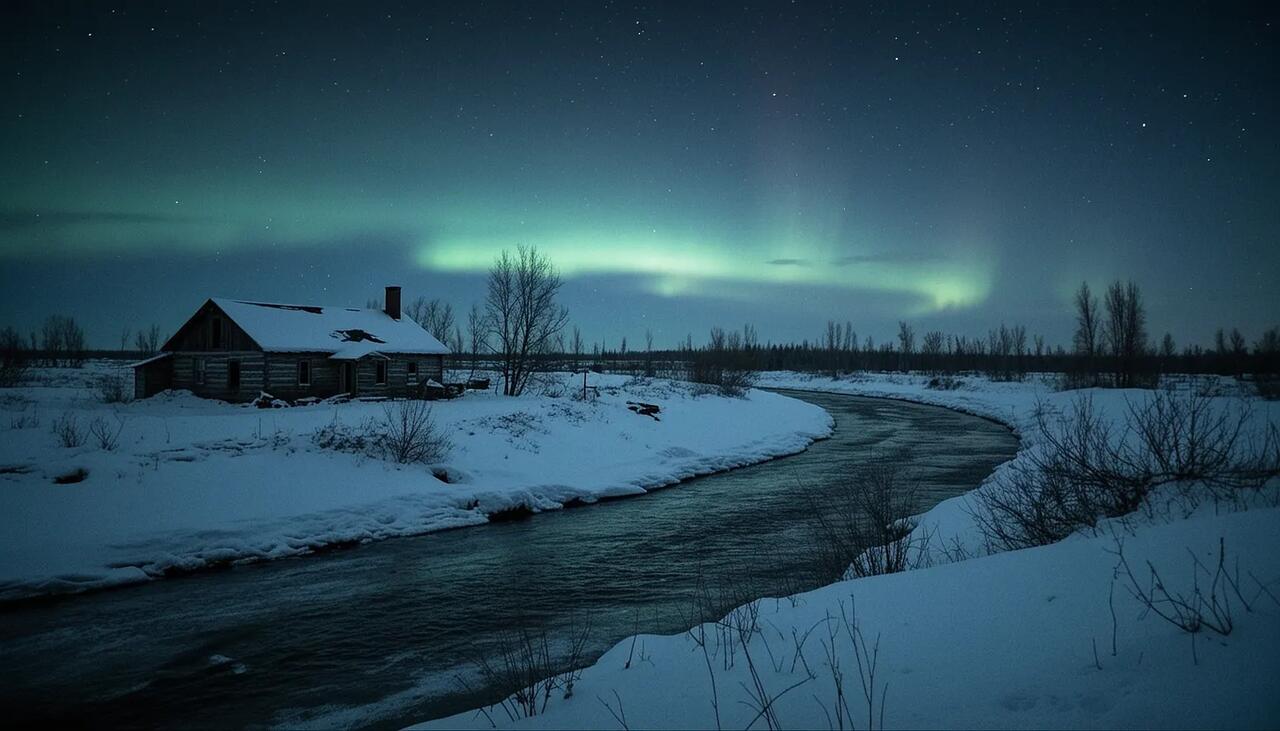
Interior Alaska is not a place for compromise or half-measures. Winters reach fifty below zero. Darkness lasts two months in which the sun does not rise above the horizon. Cost of living is extreme – gasoline at eight dollars per gallon when it is available, milk at ten dollars, everything flown in or barged during the brief summer when rivers are navigable. Medical care is practically nonexistent outside Fairbanks and Anchorage, and even those cities offer limited capabilities by lower-forty-eight standards. A broken bone or appendicitis or heart attack can be a death sentence if weather prevents evacuation, if the plane cannot fly, if you are too far from help to reach it in time.
Yet interior Alaska offers something no other region can match: the possibility of genuine disappearance. Not hiding. Not evasion. Ceasing to exist as a data point, a consumer, a citizen, a participant in systems of control and extraction. The land is too vast for surveillance. The population too scattered for enforcement. The conditions too harsh for those who lack the skills and temperament to survive them. The environment filters out the unprepared with brutal efficiency that makes no exceptions for good intentions or money or credentials.
Water is everywhere. Rivers flow clean enough to drink without treatment. Lakes freeze and thaw on annual cycles. Snow melts to provide drinking water. The problem is not finding water. It is staying alive while you access it, staying warm enough to melt snow, staying alert enough to avoid falling through ice, staying competent enough to travel safely in conditions where the margin for error becomes dangerously small.
Subsistence is not a hobby in interior Alaska. It is recognized by federal law – the Alaska National Interest Lands Conservation Act of 1980 – as a protected way of life. Rural residents have the right to hunt, fish, and gather on federal lands. The harvest is substantial: 295 pounds per person annually in remote communities, compared to 22 pounds in urban areas. For those who know how to hunt caribou, how to fish salmon, how to preserve meat through drying and smoking in Arctic conditions, how to build shelter that withstands winds and cold that destroy conventional construction, survival is possible. Without those skills, the margin for error becomes dangerously small, and the land offers little forgiveness for mistakes.
Those skills are not optional. Those who lack them face conditions where small errors become fatal. Hypothermia, starvation, accidents in remote locations, encounters with bears or moose that end badly – these are common causes of death for those who underestimate the environment, who believe that equipment can substitute for knowledge, that technology can overcome conditions that have killed the unprepared for thousands of years.
Social structure is based on reciprocity and competence, enforced by necessity. Those who do not contribute to hunting or fishing do not eat. Those who cannot repair their own equipment depend on others who can, and that dependency creates obligation that must be repaid. Communities are small – villages of two hundred people, homesteads separated by miles of wilderness, families living alone with nearest neighbors hours away by snowmachine or boat. Everyone knows everyone. Everyone knows who is competent and who is not, who contributes and who takes, who can be trusted in emergency and who cannot.
Alaska has no permit requirements for firearms carry. No restrictions on weapon types. No magazine capacity limits. The culture of armed self-defense is absolute – not as political statement or identity marker, but as practical necessity. Bears exist. Moose exist, dangerous when threatened. Distance from any help is measured in hours or days, not minutes. People are armed because they must be, because the alternative is to be defenseless in an environment that does not forgive defenselessness.
The interior is not a retreat from difficulty. It is a commitment to difficulty that exceeds anything most Americans have experienced or can imagine. Those who go there must abandon connections to systems that sustain modern life. Supply flights, satellite internet, imported fuel, medical care, social services – these are vulnerabilities that pure subsistence practitioners avoid not because they reject modernity on principle but because they know that dependence on such systems is fatal when those systems fail, and in the interior, failure means death.
Native corporations own much of the land. The federal government owns most of the rest. But subsistence rights, protected by ANILCA, provide legal access to resources regardless of ownership. The legal framework recognizes what the environment enforces: survival depends on use, not on title, on the ability to extract resources from the land rather than on documents that claim ownership but provide no capacity to utilize what is owned.
Climate change affects the interior paradoxically. Warmer winters extend the season of vulnerability to thawing ice that makes travel dangerous, to shifting wildlife patterns that disrupt traditional hunting. But they also extend the brief growing season, potentially improving subsistence conditions for those who adapt to new patterns. Permafrost degrades, causing infrastructure collapse that matters little to those who never depended on infrastructure, but also creating new water access and vegetation opportunities.
Psychological demands exceed the physical in ways that are difficult to convey to those who have not experienced them. Isolation, darkness, cold, silence – these break people who lack the temperament for them, who require constant stimulation, who cannot exist without external validation or entertainment. Those who remain possess characteristics that cannot be taught in any school: patience, tolerance for discomfort, capacity for delayed gratification, comfort with silence, ability to exist without constant input from outside sources.
Interior Alaska will not save many. Barriers to entry are too high. The learning curve is too steep. Margin for error is too narrow, measured in hours or minutes rather than days. Yet for those who possess the necessary skills and temperament, who have prepared not merely with supplies but with knowledge that can only be earned through years of practice, it offers the ultimate possibility: existence beyond the reach of any system that might fail, any government that might collapse, any economy that might disintegrate. Here, you are alone in a way that no other place in America can replicate. For some, that is a nightmare. For others, it is the only freedom left.
* * *
There is no conclusion to draw, no moral to extract, no moral can be extracted, no call to action can be phrased in a way that will convince those who are not already convinced. These five regions exist. They have water, space, and social structures that function without constant external inputs. They demand things that most people cannot give: tolerance for isolation, acceptance of physical hardship, willingness to abandon the conveniences and connections of contemporary life, capacity to survive without the infrastructure that most Americans believe essential.
Those who wait for clear confirmation that systemic failure is imminent will likely find the window closed when they finally decide to move – the roads clogged with those fleeing the same crisis they saw coming, the locals having decided they have accepted enough outsiders, and land prices having risen beyond reach.
The choice is not between safety and danger. All five regions are dangerous in ways that matter, that can kill the unprepared. The choice is between different kinds of danger: the danger of isolation and hardship versus the danger of dependence on systems that may fail; the danger of cold and dark versus the danger of thirst and hunger in places where millions compete for shrinking resources; the danger of doing too much versus the danger of doing too little until doing anything becomes impossible.
Geography is not destiny until it is. Until the moment when the aquifer runs dry, when the grid fails and does not return, when the trucks stop running, when the violence starts and does not stop. At that moment, where you are becomes who you are, what you can do, whether you will survive or become a statistic in a catastrophe that future historians will struggle to explain, if there are historians.
The ground is shifting beneath feet that do not yet feel the movement. The question is whether you will feel it in time to move your feet to somewhere the shifting matters less.
We publish a variety of perspectives. Nothing written here is to be construed as representing the views of ZeroHedge.
Tyler Durden
Wed, 09/09/2026 – 23:25

