

US Army Quietly Begins Drills That Will Chill You To The Bone
The U.S. Army has conducted military exercises involving the excavation of mass battlefield graves, preparing for a potential future war in which casualties could become so overwhelming that bringing fallen soldiers home promptly would no longer be possible.
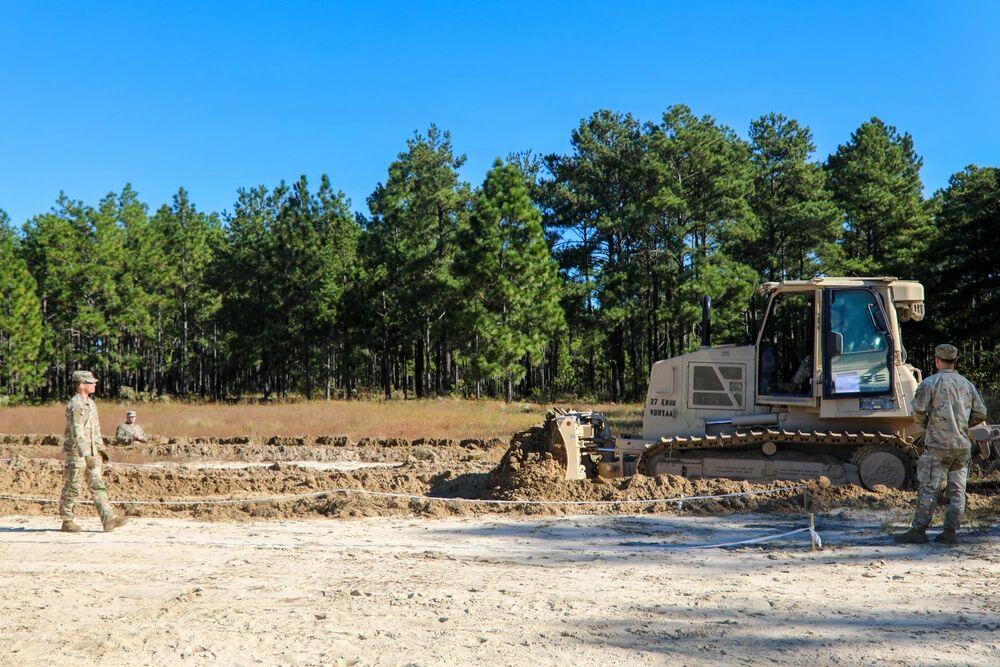
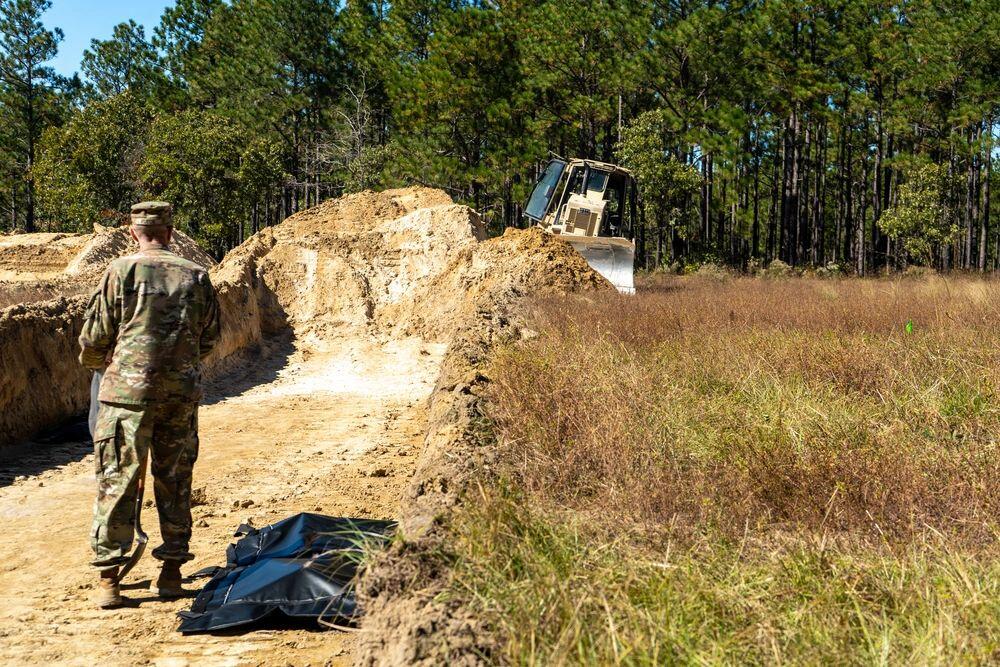
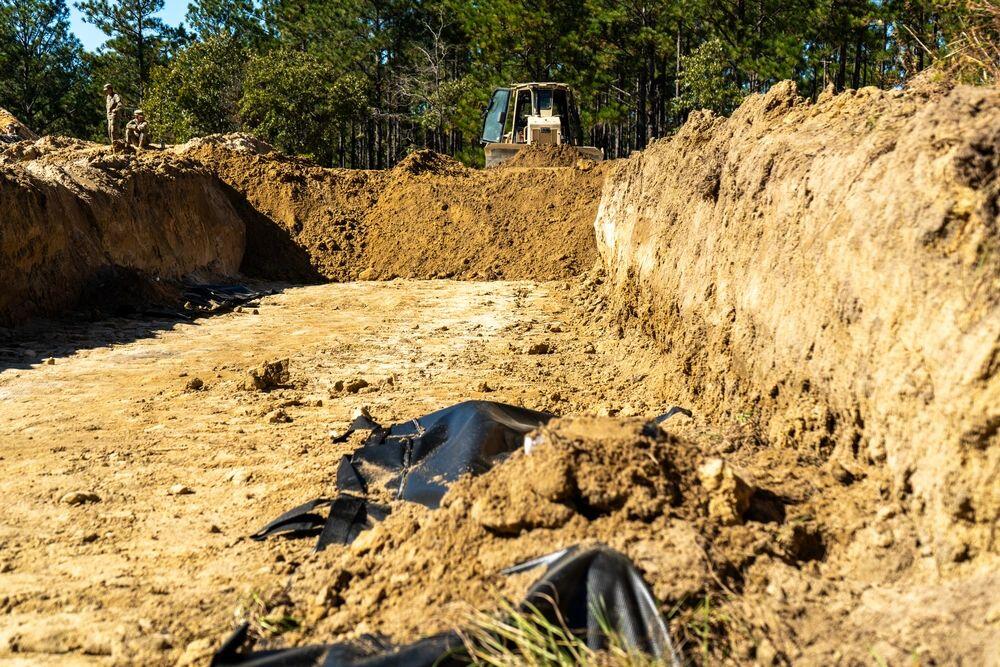
The drills, dubbed Operation Dragon Covenant, were held in North Carolina earlier this month and brought together military engineers, chaplains, medical personnel, and fatality management specialists to practice burying large numbers of bodies in temporary battlefield trenches, Army Times reports.
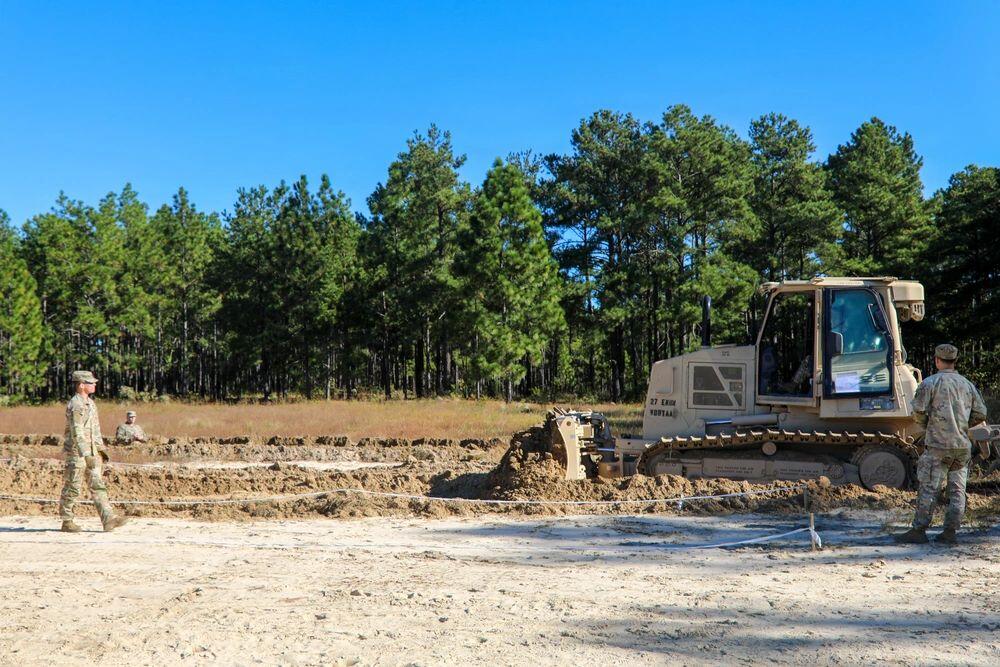
Engineers reportedly used D6 bulldozers to excavate trenches capable of holding 20 bodies in roughly 75 minutes. Commanders calculated that a properly equipped engineering company could dig and cover trenches for 2,400 bodies in 24 hours of nonstop operations.
Sgt. 1st Class Delbert Ruede, a senior Army fatality management leader, acknowledged how unprepared the service had been.
“If we went to war tomorrow, we would be making this up as we went along. What we are doing here is taking a scientific, field-tested approach so that we can maintain positive control and respectfully care for our fallen,” he warned.
The U.S. Army also practiced what to do if traditional funerals aren’t possible, so Chaplains are preparing to bless entire burial sites at once.
“In a high-intensity, contested combat environment, fatality management teams cannot stop a 24-hour interment operation for individualized religious gravesite services,” Lt. Col. Ruska, chaplain for the 3rd CSC, told Army Times.
“We consulted with Chaplains from various low density faith groups for advisement,” he added. “The consensus was that by consecrating the site before remains are placed in the ground reassures families that their loved ones are treated with reverence, dignity and honor despite the inability to provide a memorial ceremony in a contested combat environment.”
U.S. forces have not carried out large-scale temporary battlefield burials since the Korean War.
We guess the FEMA coffins are for when they have more time?

