

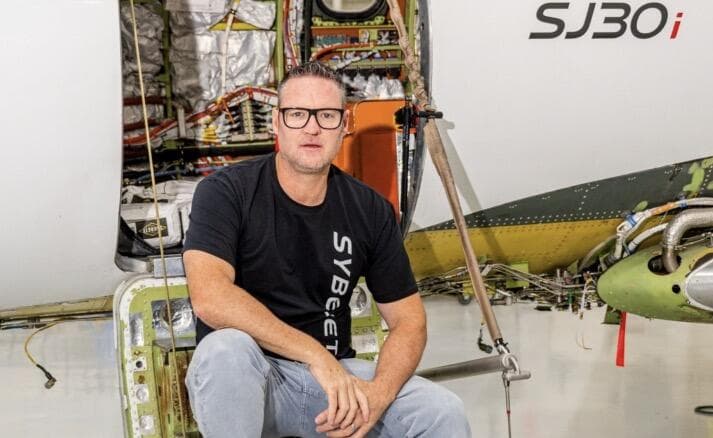
Nikola Founder Trevor Milton Drops Lawsuit Against FBI Agent 17 Days After Filing
Former Nikola founder Trevor Milton has withdrawn a lawsuit against FBI agent Christopher Essick and Nikola whistleblower Paul Lackey just 17 days after filing it.
On October 30, Milton’s attorneys filed a voluntary dismissal without prejudice in federal court in Utah, offering no explanation. The dismissal leaves open the possibility of refiling the claims later, according to Activ8Insights.
That same day, federal prosecutors requested that Essick’s personal contact information be sealed or redacted from court records, citing concerns about potential harassment, threats and his safety.
Milton had alleged that Essick and Lackey conspired to intimidate a potential defense witness ahead of his trial where he was found guilty of fraud.
Milton filed a complaint on October 13 in federal court in Utah against FBI Special Agent Christopher S. Essick and Nikola whistleblower Paul Lackey. The lawsuit alleged Essick secretly controlled two anonymous X accounts, @CntrlScrut1nizr and @lfxs1212, which posted negative commentary about Milton and Nikola, discussed betting against the company’s stock and allegedly harassed former Nikola executive Jason Roycht.
Milton claims the online activity contributed to Roycht’s decision not to meet with his defense attorneys before his trial.
Before an answer was filed, an investigation by Activ8Insights raised questions about key allegations in Milton’s lawsuit, including his claim that an FBI agent operated anonymous social media accounts used to target him and a potential witness.
Activ8Insights reported about a week ago that it identified and interviewed the person operating both Twitter accounts, finding evidence that appeared to contradict Milton’s allegations. The account holder purportedly showed reporters his government-issued photo ID, vehicle registration and insurance documents, all bearing a name other than Essick’s. He also demonstrated control of both X accounts by sending messages from each during a live video call.
The individual denied knowing Essick or having any connection to the FBI and said no one else had ever controlled the accounts.
Milton defended his lawsuit in an interview with Activ8, saying his investigators had gathered evidence connecting Essick to the accounts. He suggested the agent may have transferred control to another person or directed others to post on his behalf.
“He could have traded them off. He could have handed them off,” Milton said. “Look, it’ll all come out in the lawsuit… we’re going to come in with depositions. We’re going to come in with discovery.”
Milton had previously suggested the lawsuit would expand to include several additional defendants, but no discovery or depositions took place. No court ruled on the merits of the allegations, and the dismissal without prejudice leaves them unresolved.
The lawsuit comes after Milton suffered a separate legal defeat in his case against CNBC and short seller Hindenburg Research, which published a damaging report about Nikola in 2020. In December 2025, a New Jersey appeals court ruled against Milton in a lawsuit stemming from a 2022 episode of CNBC’s American Greed that examined Nikola and the fraud allegations surrounding the company.
Milton had accused CNBC of trade libel and Hindenburg of helping spread damaging allegations. The appeals court concluded that his claims concerned alleged harm to his personal reputation rather than his business and were barred by the one-year statute of limitations for defamation.
The court ordered the lawsuit dismissed with prejudice and a New Jersey judge ordered the Nikola founder to reimburse CNBC $286,087 in attorneys’ fees and litigation expenses. Hindenburg Research was also ordered to be reimbursed by Milton to the tune of $270,475 in fees.
Milton was indicted in 2021 on securities fraud and wire fraud charges and convicted in 2022 of defrauding investors and later sentenced to four years in prison, though President Donald Trump pardoned him in March 2025.
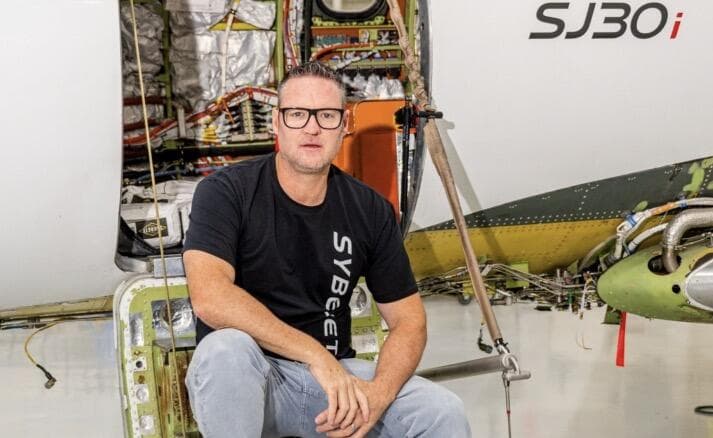
Milton has continued to challenge the circumstances surrounding his prosecution, arguing that he was unfairly targeted. He has moved on to become CEO of SyberJet, a company focused “on cutting-edge aerospace technology” that includes, among other things, developing AI assisted flying.

