

Britain Quietly Plugs Supermarket Freezer Hole After Hackers Cooked Fridges Across Europe
Britain has found and fixed a flaw in the operating systems of the commercial fridges and freezers used by its supermarkets, warehouses and restaurants, according to the BBC, after weeks of cyberattacks that left food rotting in chilled aisles from France to Sweden.
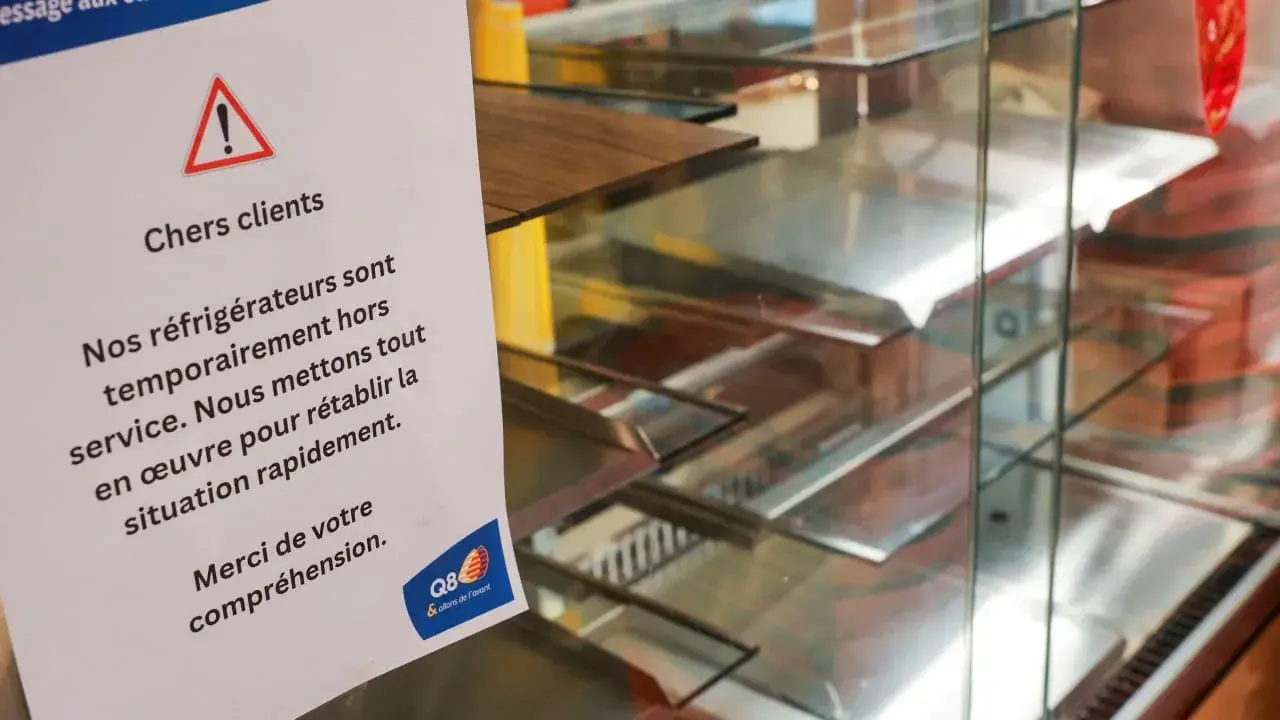
The vulnerability was identified by consultants at Omega Systems, the BBC reported, working with authorities and industry partners. Until the fix was rolled out, supermarkets pulled their fridges off the open internet and made securing the devices a priority. Britain’s National Cyber Security Centre, which sends early warnings to organizations it believes are exposed, declined to comment on the report.
Britain had been thought to have largely escaped the attacks because its refrigeration industry runs on different equipment, but the flaw could have given hackers an opening. And when the second wave hit on Nov. 2, three British meat suppliers were attacked through vulnerable Copeland XWEB controllers, and a fruit and vegetable wholesaler said it watched a fridge get remotely switched to defrost mode before staff physically unplugged it, The Record reported. None lost stock. NCSC chief executive Richard Horne called the national impact “minimal,” but warned the attacks were “really just sort of the foothills” of the threat his agency has been warning about.
The November wave hit stores in Belgium, Sweden, Luxembourg, Ireland and Estonia, with one Stockholm grocer reporting all of its freezers had been pushed to 50 degrees Celsius overnight. Carrefour Belgium said 15 of its stores were affected.
It followed the night of Oct. 11-12 in France, when attackers took over refrigeration controls at more than 700 supermarket sites, spoiling food worth tens of millions of euros and setting off fires. Paris has formally blamed that campaign on Shahid Kaveh, an offensive cyber unit tied to Iran’s Islamic Revolutionary Guard Corps, calling it the first purely sabotage-driven cyber operation on French soil. The French foreign ministry’s attribution statement said France would summon Iran’s ambassador and push for new EU sanctions.
Tehran’s foreign ministry said it “categorically rejects the French government’s baseless and one-sided accusations,” Euronews reported. France has pinned only the October attacks on Iran; nobody has claimed the November wave, and British authorities have not attributed the attacks on UK firms.
Germany’s federal information security office, the BSI, warned last week that some industrial cooling units made by Danish firm Danfoss remain vulnerable, and that Danfoss had not yet released sufficient patches. It told operators to take exposed systems offline or put them behind a VPN, adding that industrial control systems “should therefore not be directly accessible from the internet.”
Washington has issued its own warning: CISA, the FBI and three other federal departments told businesses that hackers are targeting the refrigeration systems that store food and medicine. In France, the attackers had already gone after blood bank fridges.
Britain’s own cyber officials sounded taken aback by how exposed the sector was: NCSC chief technology officer Ollie Whitehouse said staff were surprised such devices were still connected to the internet in 2026, The Record reported.
