

Japan Quietly Tells Arms Makers To Brace For Order Cuts Of Up To 80%
Japan’s Defense Ministry has told its biggest weapons contractors that its purchases from fiscal 2027 will likely come in far below initial estimates, with missiles and warships among the buys now on the chopping block, Nikkei Asia reports, as Tokyo fights over how much of Prime Minister Sanae Takaichi’s China-focused military buildup it can actually pay for.
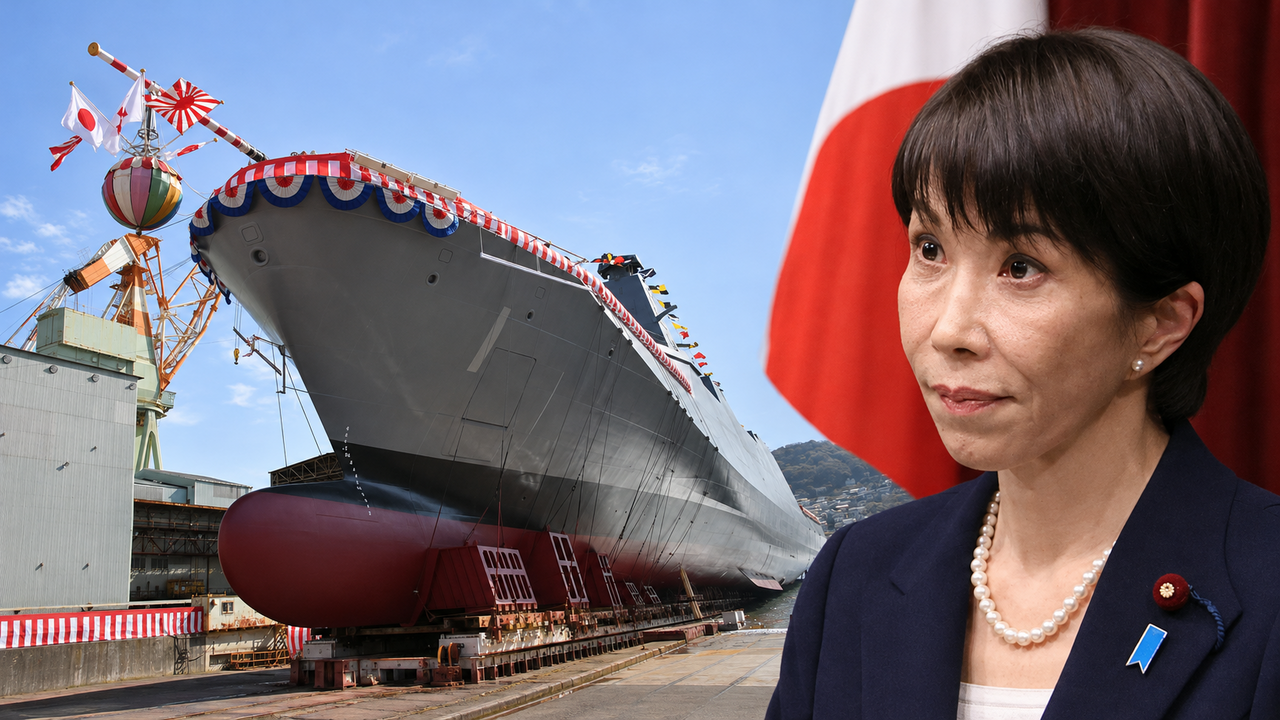
The warning went out in early November to the “prime” contractors that sign directly with the ministry, according to Kyodo. Each company was handed its own estimate for equipment and facility orders, at half of its original projection or 50% to 80% below it, and told to revise its business plans. Some of the firms hit had already expanded their production lines for the buildup. Industry’s verdict: they’d “had the ladder pulled away” (translated).
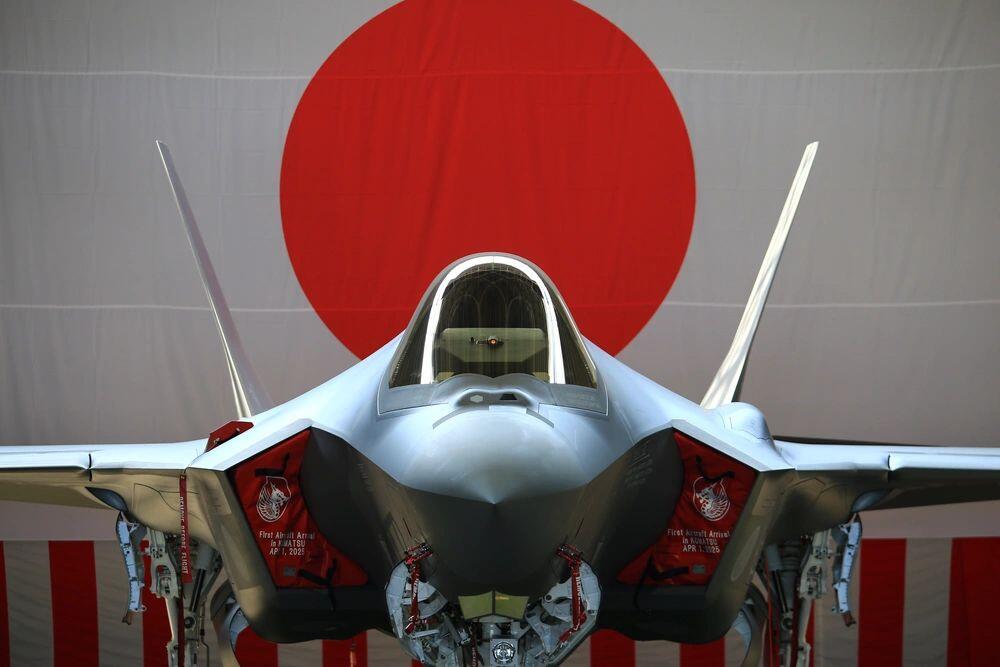
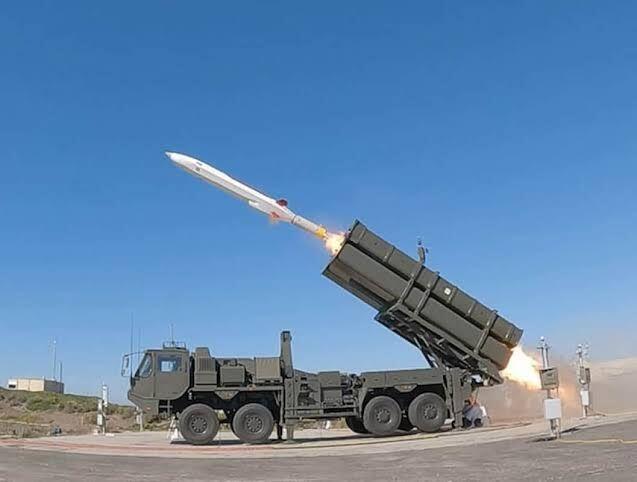
Finance Ministry officials have proposed ¥50 trillion to ¥60 trillion ($313 billion to $376 billion) for defense over the five years starting April 2027, four people familiar with the matter told Reuters. That tops the current ¥43 trillion plan, but it is well short of the ¥80 trillion some defense officials and ruling Liberal Democratic Party lawmakers had counted on, and the people said it could mean cutting planned purchases of some missiles and aircraft, including US-made F-35 stealth fighters, by as much as half.
The Defense Ministry’s own math says it needs ¥70 trillion to ¥80 trillion. A Finance Ministry official dismissed that as “an astronomical figure” and “out of the question,” per Jiji Press. A senior official in the prime minister’s office shot back that, “Given fluctuations in exchange rates over the past few years, it would amount to an effective spending cut.”
Exchange rates make it worse: Reuters converted its figures at 159.64 yen to the dollar, and the F-35s and American missiles on Tokyo’s list are priced in dollars.
Finance officials argue a steeper defense increase would be hard to fund alongside Takaichi’s growth spending and her cut to the sales tax on food, which Reuters said would leave a ¥4.3 trillion annual hole in revenue. She has reportedly resisted raising taxes to cover defense, though a senior government official told Jiji, “We must raise taxes and issue additional government bonds if necessary.”
At a joint meeting of LDP commissions on Wednesday, one lawmaker said of the roughly ¥60 trillion figure, “It amounts to an actual reduction once future payment obligations are taken into account,” according to Jiji, and another called the plan “completely lacking a sense of responsibility.” The ruling bloc is now demanding ¥70 trillion or more.
Japan buys ships and aircraft on loans repaid over up to five years, starting the year after the contract, and contracts signed under the current plan already commit ¥16.8 trillion in payments from fiscal 2027 onward, the Defense Ministry estimates. Against a ¥60 trillion plan, that is 28% spoken for before a single new contract is signed; against ¥50 trillion, about a third.
The 2026 US National Defense Strategy calls for allies to spend 3.5% of GDP on their armed forces, and Tokyo was reportedly weighing that target, a report that sent Japanese bond yields to a 30-year high (the Defense Ministry denied telling the US it would go to 3.5%). Instead, by Reuters’ calculation, even ¥60 trillion would leave Japan short of its own 2% goal. With GDP of about ¥690 trillion this year, per Jiji, ¥10 trillion to ¥12 trillion a year works out to roughly 1.5% to 1.7%.
Finance Minister Satsuki Katayama declined to comment, saying the government’s security and defense advisory panel “has not yet discussed matters at that level of detail.” One ruling party official told Reuters that a contingency “could occur at any time,” and that a figure in the ¥50 trillion range is “out of the question” if the goal is deterring one.
The final number lands with the year-end rewrite of Japan’s three core security documents, which will set spending from April 2027 through March 2032. Until then, contractors that expanded production for the buildup are planning for half the orders, or less.
